Botox vs Dysport vs Xeomin Toronto: Which Toxin May Suit You?

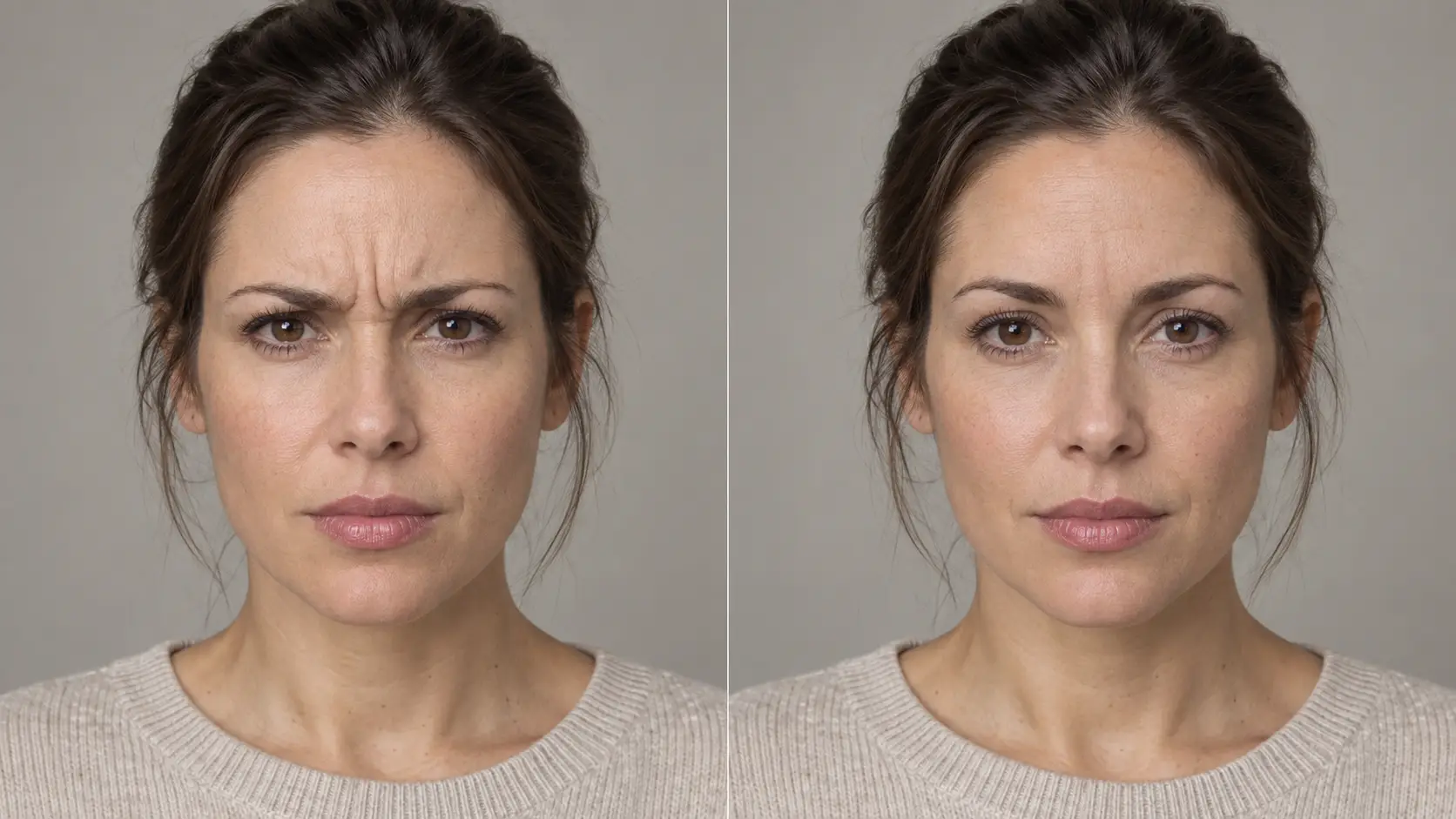
Botox, Dysport, and Xeomin are injectable neuromodulators used to temporarily soften dynamic wrinkles. These are lines that become more noticeable when you frown, squint, smile, or raise your eyebrows.
Although the three treatments work in a similar way, they differ in formulation, dosing systems, approved uses, and how individual patients respond. There is no single product that is best for everyone.
Quick answer: When comparing Botox vs Dysport vs Xeomin in Toronto, the best choice depends on your facial anatomy, treatment area, previous results, desired degree of movement, and injector’s assessment. Botox is widely recognized and extensively used. Dysport may be selected when treating certain broader areas, while Xeomin has a formulation without accessory proteins. Results from all three are temporary, and their units cannot be compared directly.
Table of Contents
ToggleBotox vs Dysport vs Xeomin: What Do They Have in Common?
Botox Cosmetic, Dysport Aesthetic, and Xeomin Cosmetic are brand names for prescription botulinum toxin type A products.
When injected into carefully selected facial muscles, these products temporarily reduce the nerve signals that cause those muscles to contract. Less muscle movement can soften existing expression lines and may help prevent those lines from becoming more deeply etched into the skin.
They are most commonly discussed for areas such as:
- Frown lines between the eyebrows
- Horizontal forehead lines
- Crow’s feet around the eyes
- Certain lines or muscle patterns in the lower face and neck
Approved indications vary by product and country. Some treatment areas may involve off-label use, meaning a regulated healthcare professional uses an approved medication for a purpose not specifically listed in its product monograph. Your provider should explain the proposed treatment, expected benefits, limitations, and risks before you consent.
A systematic review of clinical trials found that botulinum toxin type A can reduce facial wrinkles, although temporary side effects such as eyelid drooping can occur. You can review the findings in this Cochrane review of botulinum toxin for facial wrinkles.
What Is the Difference Between Botox, Dysport, and Xeomin?
The three products perform the same general job, but they are not identical or interchangeable.
| Comparison factor | Botox Cosmetic | Dysport Aesthetic | Xeomin Cosmetic |
|---|---|---|---|
| Active ingredient | OnabotulinumtoxinA | AbobotulinumtoxinA | IncobotulinumtoxinA |
| Main purpose | Temporarily reduces targeted muscle activity | Temporarily reduces targeted muscle activity | Temporarily reduces targeted muscle activity |
| Formulation | Contains the active toxin with associated proteins | Has its own distinct formulation and associated proteins | Formulated without accessory complexing proteins |
| Dosing | Uses Botox-specific units | Uses Dysport-specific units | Uses Xeomin-specific units |
| Typical selection | Familiar, established option for precise treatment planning | May be considered for particular treatment patterns or broader areas | May be considered when a simpler protein formulation is preferred |
| Results | Temporary | Temporary | Temporary |
These descriptions are general. They do not mean one product always spreads farther, begins working sooner, or produces a more natural result in every patient. Placement, dose, muscle strength, anatomy, and injector technique can influence the outcome as much as the brand selected.
Why Units Cannot Be Compared Directly
One unit of Botox is not the same as one unit of Dysport or Xeomin. Each manufacturer uses a product-specific potency test, so units should not be converted as though they were identical measurements.
This matters when comparing prices. A lower price per unit does not necessarily mean a lower total treatment cost because the recommended number of units may differ between products.
The meaningful comparison is the complete treatment plan:
- Product selected
- Areas being treated
- Product-specific units required
- Injector’s assessment and technique
- Total quoted cost
- Follow-up policy
Dysport vs Botox: How Are They Different?
Both Dysport and Botox temporarily relax selected muscles to reduce the appearance of dynamic wrinkles. They have different formulations and dosing systems.
Dysport is often discussed as having an earlier visible onset for some patients. However, onset varies, and the final result should not be judged immediately after treatment. It can take several days for changes to appear and longer for the full effect to settle.
Dysport may also be considered when an injector wants to treat a particular muscle pattern or a relatively broad area. That does not mean it is automatically better for every forehead or every patient. Unwanted movement into nearby muscles can produce complications with any botulinum toxin product, making careful placement essential.
Botox may suit someone who has previously achieved predictable results with it or whose provider prefers it for a specific treatment plan. Dysport may suit another patient based on anatomy, past response, and the area being treated.
The choice should be based on a facial assessment rather than a general claim that one brand is stronger or more natural.
Xeomin vs Botox: What Is the Main Difference?
The most frequently discussed difference between Xeomin and Botox is their formulation.
Xeomin contains incobotulinumtoxinA without accessory complexing proteins. Botox contains onabotulinumtoxinA with associated proteins as part of its formulation. Both temporarily reduce activity in targeted muscles.
Xeomin is sometimes described online as a “purer” toxin, but that wording can be misleading. A different formulation does not automatically make it safer, stronger, or more effective for a specific patient.
Some providers may consider Xeomin for patients who have had an unsatisfactory response to another product. However, a reduced response can have several explanations, including dose, placement, muscle strength, treatment timing, or unrealistic expectations. True treatment resistance should not be assumed without a professional assessment.
Is Xeomin a Good Botox Alternative in Toronto?
Xeomin can be a Botox alternative in Toronto when it is clinically appropriate and available from a qualified provider. Dysport is another possible alternative.
Switching brands may be worth discussing if:
- Your previous treatment did not produce the expected result
- You want to explore a different formulation
- Your injector recommends another product for the treatment area
- Your previous results wore off sooner than expected
- You experienced an outcome that requires a revised treatment plan
Changing products is not guaranteed to solve a dosing, placement, or assessment problem. Your treatment history should be reviewed first.
Which Is Better: Botox, Dysport, or Xeomin?
There is no universal winner. The best neurotoxin treatment in Toronto is the one that matches your anatomy, goals, health history, treatment area, and previous response.
Botox may suit you if:
- You have used it successfully before
- You prefer a widely recognized and established option
- Your injector recommends it for the selected muscles
Dysport may suit you if:
- Your provider believes its formulation fits the planned treatment
- You are treating a muscle pattern that may benefit from the injector’s experience with Dysport
- You previously responded well to it
Xeomin may suit you if:
- You and your provider prefer a formulation without accessory complexing proteins
- You want to discuss another option after using a different product
- Your injector considers it appropriate for your treatment goals
The injector should also consider whether a neurotoxin is the right category of treatment. These products work on muscle-related lines. They do not replace lost facial volume, remove significant skin laxity, or erase every wrinkle.
What Is the Best Treatment for Fine Lines and Wrinkles?
The best treatment for fine lines and wrinkles depends on why the lines are present.
Dynamic wrinkles appear mainly during facial movement. These lines often respond to Botox, Dysport, or Xeomin because neurotoxins reduce the activity of the underlying muscles.
Static wrinkles remain visible when the face is at rest. Neurotoxin treatment may soften a muscular component, but other treatments could be needed to address skin texture, collagen loss, sun damage, or volume loss.
A complete assessment may consider:
- Whether the lines appear during movement or at rest
- Skin thickness and elasticity
- Facial volume changes
- Muscle strength and symmetry
- Previous cosmetic treatments
- The amount of natural movement you want to maintain
For patients primarily concerned about expression lines, Lux Beauty Skin offers Botox, Dysport, and Xeomin consultations at its Toronto-area locations.
How Long Do Botox, Dysport, and Xeomin Last?
Botox, Dysport, and Xeomin commonly provide temporary improvement lasting approximately three to four months, but individual results vary.
Duration can be affected by:
- Product and dose
- Treatment area
- Strength of the targeted muscles
- Metabolism
- Previous treatment history
- Placement and injection technique
- The result being measured
Movement may gradually return rather than reappearing all at once. Some people notice a shorter duration after their first treatment, while others maintain their results longer.
The Lux Beauty Skin Botox page states that results generally last three to four months. It also notes that the clinic schedules a complimentary 14-day follow-up for Botox patients. Follow-up timing should be confirmed when booking.
How Long Does Botox Last?
Botox commonly lasts about three to four months. The official Canadian Botox Cosmetic product information also explains that results and side effects can vary between patients. The Health Canada Botox Cosmetic product record provides access to its regulatory information.
Treatment should not be scheduled solely by the calendar. Your provider should consider how much movement has returned, which areas were treated, and whether the previous result matched your goals
How Much Do Botox, Dysport, and Xeomin Cost in Toronto?
The total cost depends on the clinic’s pricing method, the product used, the number of product-specific units required, and the areas treated.
Lux Beauty Skin currently lists Botox, Dysport, and Xeomin at $5 per unit. Its service page also advertises an automatic 10% discount for treatments of 60 units or more.
Because the three brands use different dosing units, their per-unit prices should not be treated as a direct cost comparison. Ask for a complete estimate based on the selected product and treatment plan.
Before proceeding, confirm:
- Which product will be used
- How many product-specific units are recommended
- Which muscles and areas will be treated
- The complete treatment price
- Whether follow-up assessment is included
- Who will perform the injections
Published prices and promotions may change, so verify the current offer directly with the clinic.
What Should You Discuss During a Neurotoxin Consultation?
A consultation should cover more than brand preference. Your provider needs enough information to decide whether treatment is appropriate and how it should be planned.
Be prepared to discuss:
- Your desired result
- Previous Botox, Dysport, Xeomin, or other injectable treatments
- Medications and supplements
- Allergies
- Neuromuscular conditions
- Pregnancy or breastfeeding
- Previous reactions to botulinum toxin products
- Upcoming procedures or important events
- Whether you want subtle movement or a more noticeable reduction in movement
Botulinum toxin products can cause side effects. Common concerns may include temporary redness, swelling, tenderness, bruising, headache, asymmetry, or unwanted weakness in nearby muscles. Rare but serious symptoms can occur if the toxin’s effect spreads beyond the treatment area.
Seek immediate medical attention for problems such as difficulty swallowing, speaking, or breathing. Your provider should explain product-specific warnings and aftercare instructions before treatment.
Choosing a Botox, Dysport, or Xeomin Provider in Toronto
Brand choice matters, but assessment, dosing, placement, and follow-up are central to the result.
Look for a provider who:
- Is qualified and authorized to provide the treatment
- Uses products approved for sale in Canada
- Reviews your health and treatment history
- Explains whether the proposed use is approved or off-label
- Provides a product-specific dose and total price
- Discusses realistic results and possible complications
- Offers clear follow-up instructions
- Does not guarantee a specific outcome
Lux Beauty Skin states that treatments are performed by CNO-registered nurses and that free consultations are available. The clinic lists locations in Toronto and Richmond Hill.
Final Takeaway
Botox, Dysport, and Xeomin can all be effective options for temporarily softening dynamic facial lines. The main differences involve formulation, product-specific dosing, approved uses, and individual response.
Instead of choosing according to brand popularity or unit price alone, start with a professional facial assessment. The right plan should identify the muscles causing your concern, preserve the degree of expression you want, and provide a clear total cost.
To discuss which option may suit you, book a neurotoxin consultation with Lux Beauty Skin
FAQs
None is universally better. The most appropriate product depends on the treatment area, facial anatomy, desired movement, previous response, medical history, and injector’s recommendation.
Their units cannot be compared directly, so describing one Dysport unit as stronger or weaker than one Botox unit is misleading. Each product requires its own dosing plan.
Some patients may notice Dysport results earlier, but onset varies. Product choice should not be based on speed alone because dose, treatment area, and individual response also affect the result.
Xeomin may be considered as an alternative, but an unsatisfactory Botox result does not automatically prove resistance. Dose, placement, timing, muscle strength, and treatment expectations should also be reviewed.
Results commonly last approximately three to four months. Duration differs between individuals and can depend on the product, dose, muscle strength, treatment area, and previous treatments.
The clinic currently lists all three at $5 per unit, with 10% off treatments of 60 units or more. Since the brands use different unit systems, request a total treatment quote rather than comparing unit prices alone