Best Treatments for Fine Lines and Wrinkles in 2026: Toronto Expert Guide

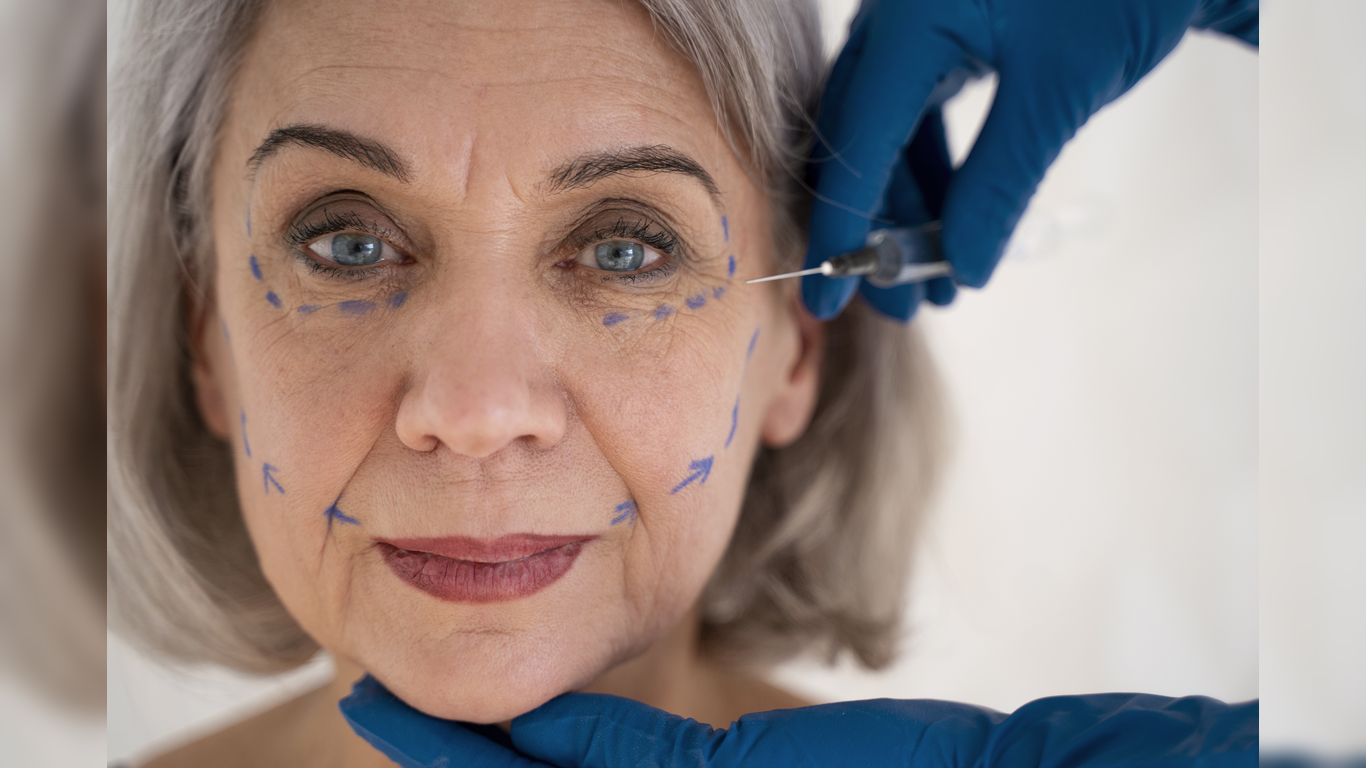
A patient recently came in and said: "I've tried every serum. Nothing is working anymore."
This is one of the most common things we hear. Fine lines and wrinkles that once responded to skincare eventually reach a point where topical products simply cannot go deep enough.
The good news is that several non-surgical treatments can make a meaningful difference — but the right one depends entirely on what type of lines you have, where they are, and what's causing them.
This article will help you understand the main options, how they compare, and how to figure out which one is right for your skin.
Table of Contents
ToggleWhat is the best treatment for fine lines and wrinkles?
There is no single best treatment — it depends on the type of wrinkle:
-
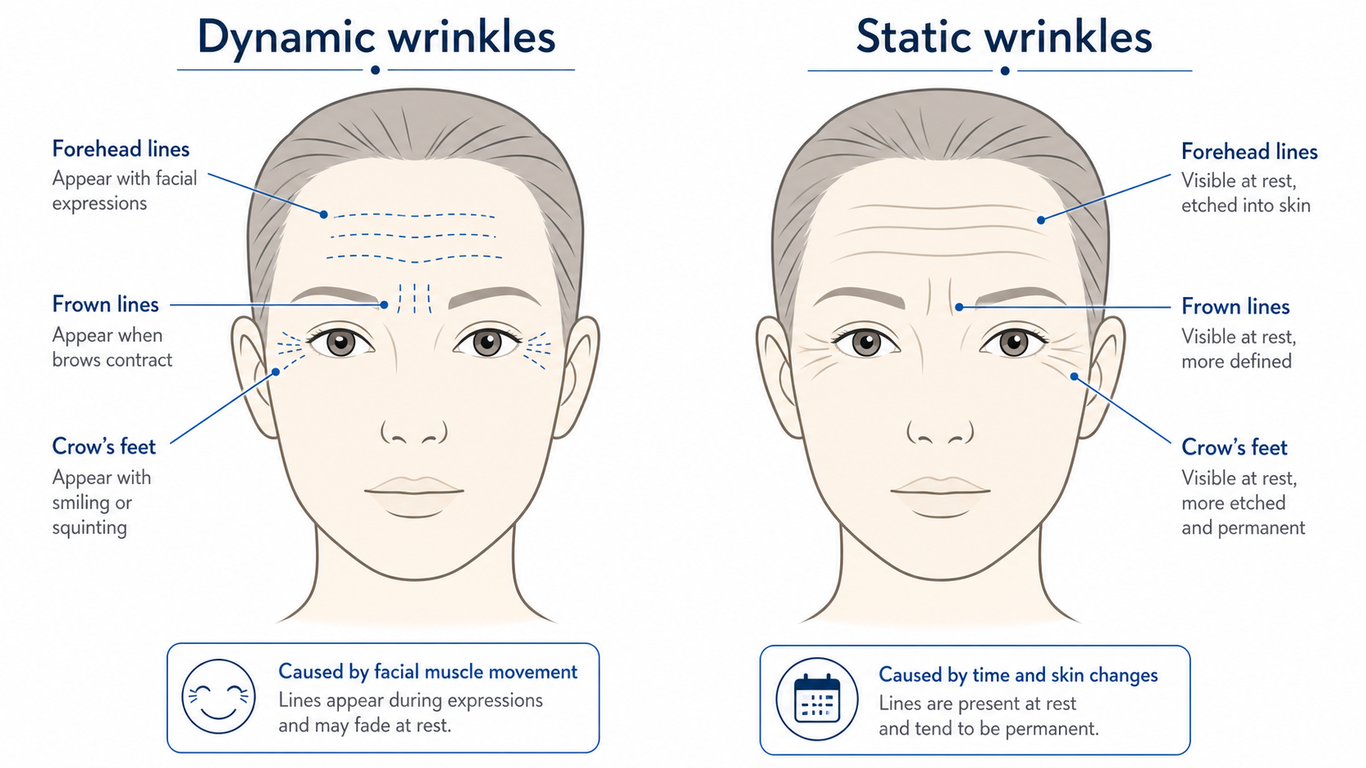
Dynamic wrinkles (caused by movement — frown lines, crow's feet): → Botox, Dysport, or Xeomin
-
Static wrinkles + volume loss (present even at rest — deep folds, hollows): → Dermal Filler
-
Skin texture + fine surface lines (dullness, early aging): → Microneedling or PRP
-
Combined skin laxity + fine lines: → Combination approach
Most patients over 35 benefit from more than one treatment.
What We Actually See at Lux Beauty Skin?
When patients come in asking about fine lines and wrinkles, the first thing we do is look at the face — not at a treatment menu.
We assess whether lines are present only during movement or also at rest. We look at skin thickness, volume, and whether there has been any previous treatment. We consider age, lifestyle, and how quickly someone wants to see results.
What we have learned over years of treating patients is this: the best outcomes come from matching the treatment to the actual cause of the line — not from applying the same solution to every face.
We also see patients who have had too much of one thing and not enough of another. Natural-looking results almost always involve a combination of small interventions rather than one aggressive treatment.
We do not push a single product. We explain the options, give you our honest recommendation, and let you decide.
The Difference Between Fine Lines and Deep Wrinkles
Fine lines are shallow, often caused by dehydration, early collagen loss, or repeated small expressions. They typically respond well to microneedling, PRP, or light neurotoxin treatments.
Deep wrinkles — particularly nasolabial folds, marionette lines, and lines along the corners of the mouth — are usually caused by volume loss over time. The skin has lost the structural support underneath it. Filler addresses this more effectively than Botox alone.
Understanding which type you are dealing with is the first step toward choosing the right treatment.
Botox, Dysport, and Xeomin — For Lines That Move
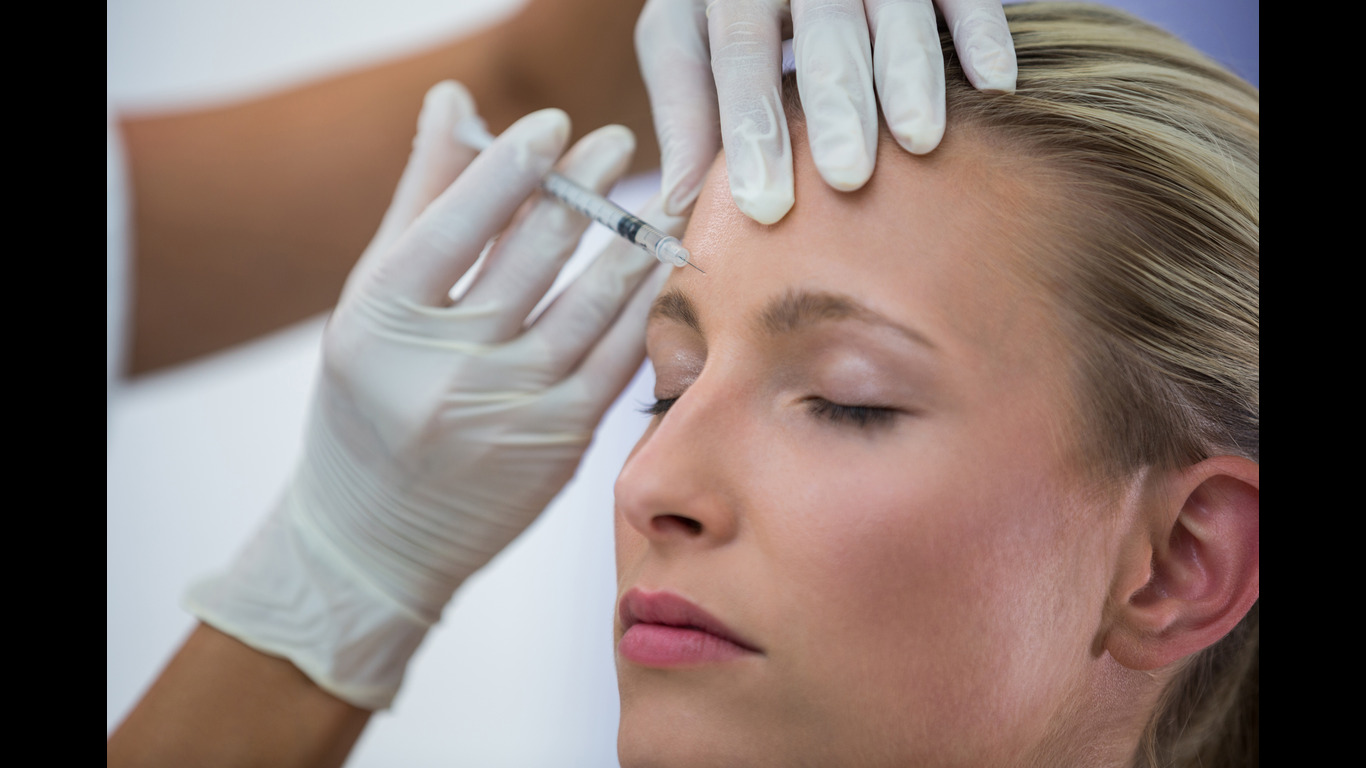
If your lines appear or deepen when you make a facial expression — squinting, frowning, raising your eyebrows — they are dynamic wrinkles. These are caused by muscle movement, and neurotoxins are the most effective treatment for them.
Botox, Dysport, and Xeomin all work by temporarily relaxing the muscles responsible for those movements. The lines soften because the muscle that creates them is no longer contracting at full strength.
-
Botox (Allergan) — Precise and predictable. Onset in 4–7 days
-
Dysport (Galderma) — Slightly faster onset (2–3 days), works well for larger areas like the forehead
-
Xeomin (Merz) — A cleaner formulation without accessory proteins, useful for patients who have developed tolerance to Botox
All three are Health Canada-approved. The right choice depends on the area being treated and your treatment history.
Botox vs. Filler for Wrinkles — They Are Not Interchangeable
This is one of the most common areas of confusion we see.
Botox relaxes muscles. Filler adds volume. They treat different things.
Using filler on a dynamic wrinkle caused purely by muscle movement will not give you the result you are hoping for. Using Botox on a deep static fold caused by volume loss will also fall short.
Use Botox when: the line is caused by a repeated muscle contraction — frown lines, forehead lines, crow's feet.
Use filler when: the line or hollow is present at rest and caused by tissue descent or volume loss — nasolabial folds, under-eye hollows, deep marionette lines, thinning lips.
Many patients need both — different treatments in different areas of the same face.
The Best Filler for Deep Wrinkles
For deep wrinkles caused by volume loss, hyaluronic acid fillers are the most commonly used option. Brands like Juvederm and Restylane offer different formulations depending on the area being treated — thicker products for structural support, softer ones for surface refinement.
The goal with fillers for wrinkles is not to fill a line directly but to restore the volume beneath it so the skin is supported from underneath.
When it comes to natural looking dermal fillers, less is consistently more. Small amounts placed precisely produce far better results than larger volumes that can distort facial proportion over time.
Microneedling for Fine Lines — Collagen From the Inside
Microneedling is one of the most effective treatments for fine lines caused by early collagen loss, skin texture issues, and mild crepiness — particularly around the eyes, mouth, and neck.
The treatment creates thousands of controlled micro-injuries in the skin using fine needles. The body responds by producing new collagen and elastin, gradually thickening and firming the skin from within.
Results are not immediate. Most patients see meaningful improvement after a course of 3 to 4 sessions spaced 4 to 6 weeks apart.
Microneedling is not the right treatment if your lines are caused by muscle movement or significant volume loss. It works best on texture, tone, and early fine lines.
PRP for Skin Rejuvenation — When Skin Quality is the Issue
Platelet-Rich Plasma (PRP) uses your own blood, processed to concentrate growth factors, and re-injected or applied to the skin to stimulate natural cellular renewal.
PRP for skin rejuvenation is particularly effective for patients whose main concern is overall skin quality — dullness, thinning skin, early fine lines, and loss of radiance — rather than specific deep wrinkles.
It is often combined with microneedling (sometimes called the "vampire facial") to enhance penetration and results. It can also be used as a standalone injection treatment in areas like under the eyes where other treatments carry more risk.
PRP is a gradual treatment. Results build over several weeks and continue improving for months after the final session.
Non-Surgical Wrinkle Treatment in Toronto — What to Realistically Expect
Non-surgical wrinkle treatment in Toronto has become increasingly sophisticated, but it is important to have realistic expectations before committing to any treatment.
No non-surgical treatment will produce the same result as a surgical facelift for patients with significant skin laxity. Non-surgical options work best for early to moderate aging concerns — and for maintaining results once you have achieved them.
The most common reason patients are disappointed is that they chose the wrong treatment for their concern, expected too much from a single session, or delayed treatment until the concern had progressed too far for a non-surgical approach to address fully.
Starting earlier, with conservative treatments, consistently produces better long-term outcomes than waiting and pursuing more aggressive intervention later.
Signs This Treatment is Right for You
You are likely a good candidate for non-surgical wrinkle treatment if:
-
Your lines bother you at rest or during expression
-
You have noticed a change in skin firmness or volume in the last 1 to 3 years
-
You are in good general health with no active skin infections
-
You have realistic expectations and understand that results develop over time
-
You are not pregnant or breastfeeding
Signs You Should Wait or Reconsider
Non-surgical wrinkle treatments are not right for everyone at every point in time. Consider waiting if:
-
You are pregnant or breastfeeding
-
You have an active skin infection, cold sore, or inflammatory skin condition in the treatment area
-
You are taking blood thinners or certain medications that affect healing
-
You are expecting immediate, dramatic results from a single session
-
You are very close to a major event — swelling and bruising are always possible
When in doubt, book a consultation first. A qualified injector will tell you honestly whether now is the right time and which treatment is most appropriate.
What a Qualified Injector Assesses Before Recommending a Treatment
At a reputable clinic, your injector should assess:
-
Type of wrinkle — dynamic vs. static, superficial vs. deep
-
Skin quality — thickness, hydration, elasticity
-
Volume distribution — areas of loss or descent
-
Facial symmetry and proportion — to avoid overcorrection
-
Medical history — medications, allergies, previous treatments
-
Your goals and timeline — what you want and how quickly
A recommendation made without this assessment is not a personalized recommendation.

Pricing — What to Expect for Wrinkle Treatments in Toronto
Pricing varies depending on the treatment and the area being treated.
At Lux Beauty Skin, Botox, Dysport, and Xeomin are currently priced at $5 per unit. Treatments over 60 units receive an automatic 10% discount — making combination or full-face treatments more accessible.
For filler, microneedling, and PRP, pricing is discussed during your free consultation based on the areas and number of sessions recommended.
One important point: the number of units or sessions you need should be based on your anatomy and goals — not on a fixed budget. Underfilling or undertreating to save money often means spending more in the long run to correct an unsatisfactory result.
FAQ
Yes, to a degree. Microneedling and PRP are effective non-injection treatments for fine lines caused by early collagen loss and skin texture changes. However, for lines caused by muscle movement (like frown lines) or volume loss (like deep nasolabial folds), injections consistently produce more reliable and targeted results. Skincare alone can help maintain results but is rarely sufficient once fine lines are visible at rest.
It depends on the treatment. Botox results are visible within one to two weeks of a single session. Dermal filler also shows immediate results. Microneedling and PRP typically require three to four sessions spaced four to six weeks apart before meaningful improvement is visible. For all treatments, results are better maintained with regular follow-ups rather than one-time treatment.
Filler looks unnatural when too much product is used, when it is placed in the wrong anatomical layer, or when the injector does not account for the patient’s overall facial proportion. With a conservative, anatomy-based approach and a qualified injector, filler results should be subtle enough that others notice you look refreshed — not treated. The goal of natural looking dermal fillers is enhancement, not transformation.
There is no fixed minimum age. Most patients seeking wrinkle treatment are in their late 20s to 60s. Younger patients often start with preventative Botox for dynamic wrinkles before lines become permanently set at rest. The right time to start is when a concern is present and bothering you — not based on age alone. Your injector will advise during a consultation whether treatment is appropriate and what is realistic to expect.
In many cases, yes. Botox and filler are commonly performed in the same appointment. Microneedling is typically done as a standalone session and spaced away from injection treatments to avoid interference with healing. Your injector will advise what can safely be combined based on your treatment plan and skin condition at the time of your appointment.