
Glowing Complexion: Facial Treatments
Custom Facial Treatments for Your Skin Goals
Facial Radiance
No two skin concerns are exactly the same. A facial that feels right for someone with dry, sensitive skin may not be the right choice for someone dealing with congestion, breakouts, uneven texture, dullness, or visible signs of dehydration.
At Lux Beauty Skin, facial treatments in Richmond Hill begin with a personalized skin consultation. Your esthetic provider looks at your current skin condition, your concerns, your home skincare routine, and your preferred level of treatment before recommending the most suitable facial.
A custom facial may include cleansing, gentle exfoliation, steam or extractions when appropriate, targeted masks, hydrating serums, and relaxing facial massage. The exact steps should be selected based on your skin’s needs that day rather than following the same routine for every client.
Our goal is to support healthier-looking, more balanced skin—not to promise an instant or permanent solution to every concern. Regular professional facials can be part of a consistent skincare routine, alongside suitable at-home care and, when needed, medical aesthetics treatments.

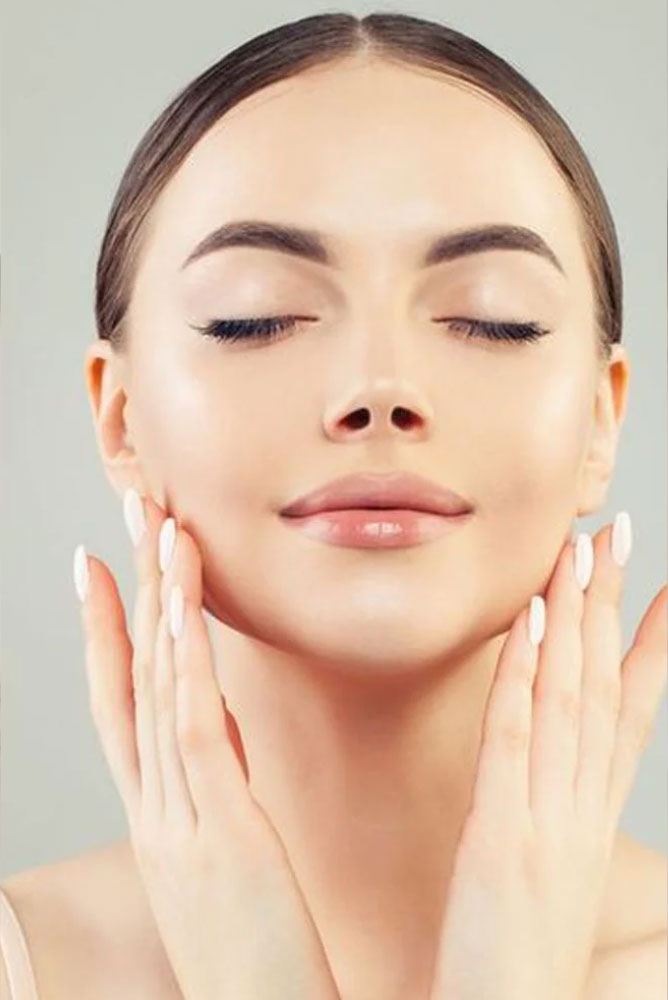
Why Lux Beauty Skin for Facial?
Lux Beauty is the ultimate destination for your facial treatment because of their exceptional expertise, personalized care, skilled aestheticians with a deep understanding of various skin types and concerns, and using high-quality products.

Pamper Your Skin
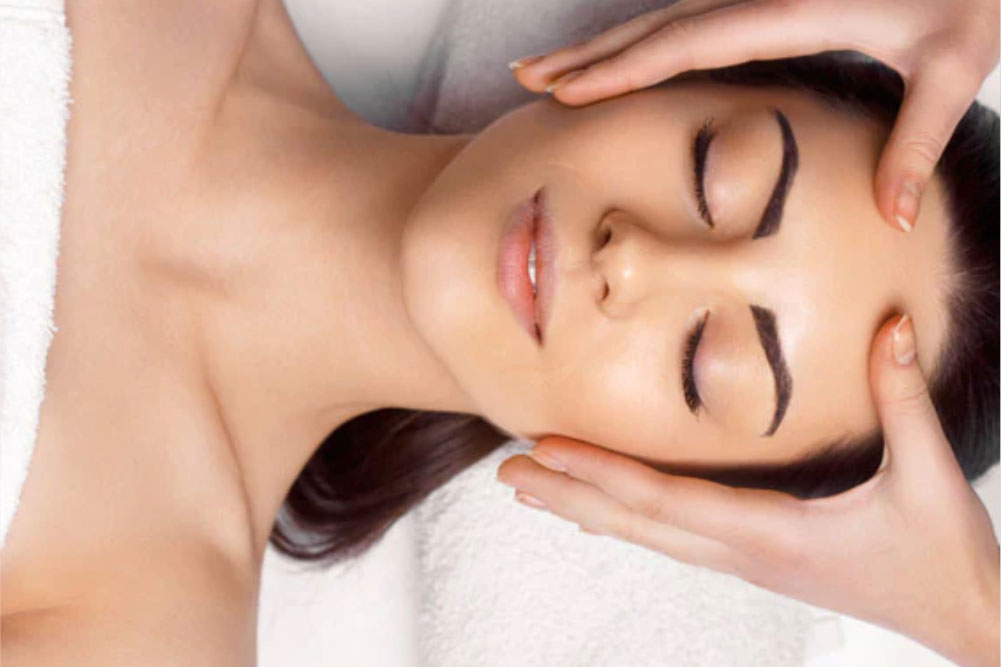
Lux Beauty's Transformative Solutions
Youthful Radiance: Facial Rejuvenation
Glowing Skin
Before - After
Facial
Text after title text example
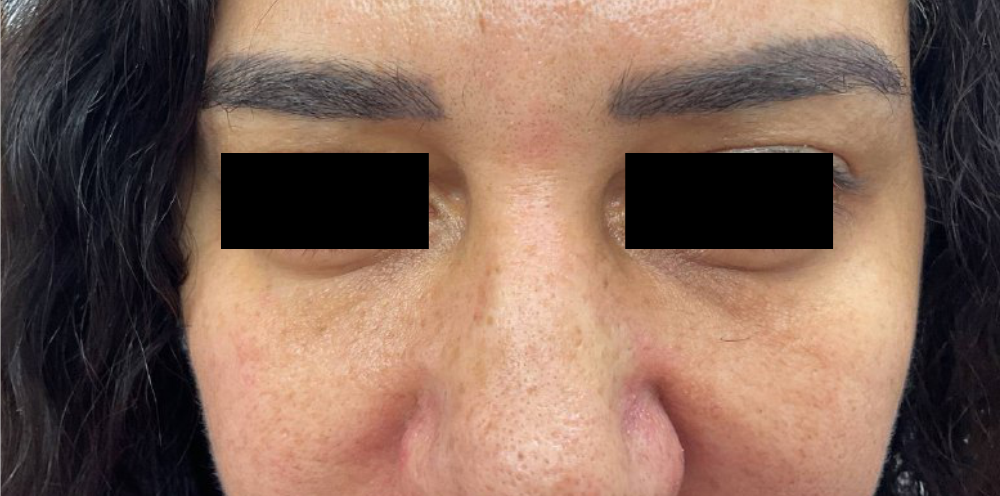
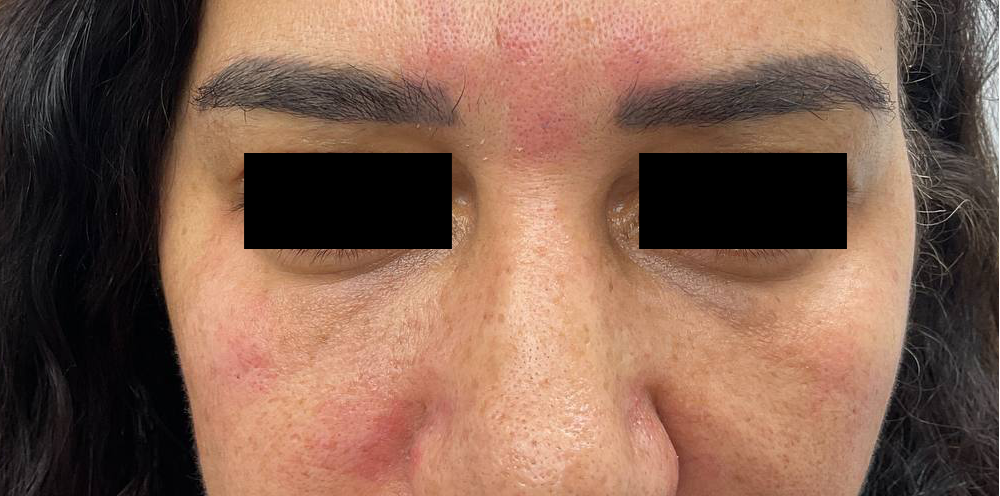
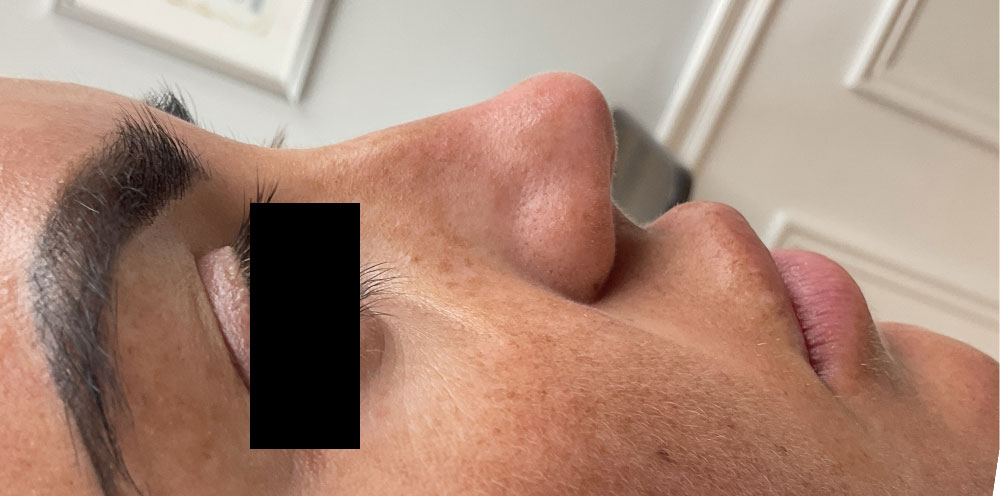
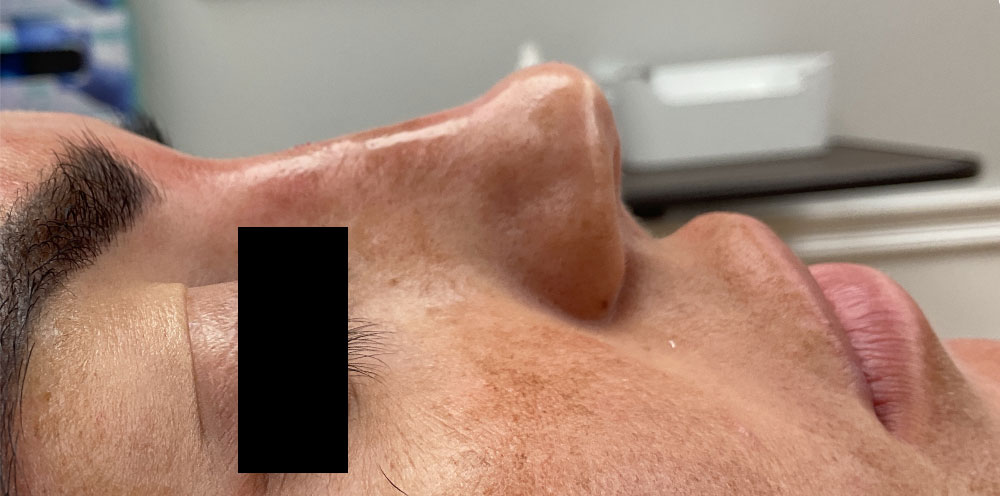
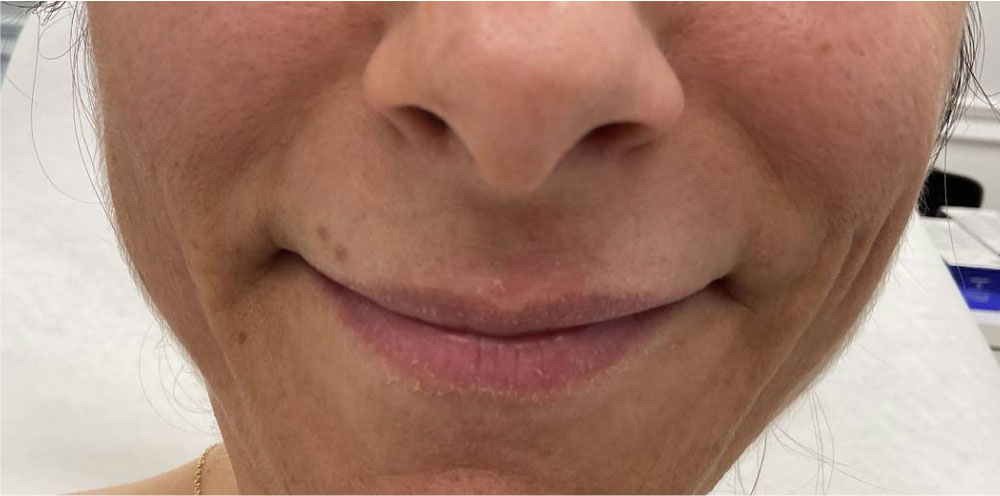
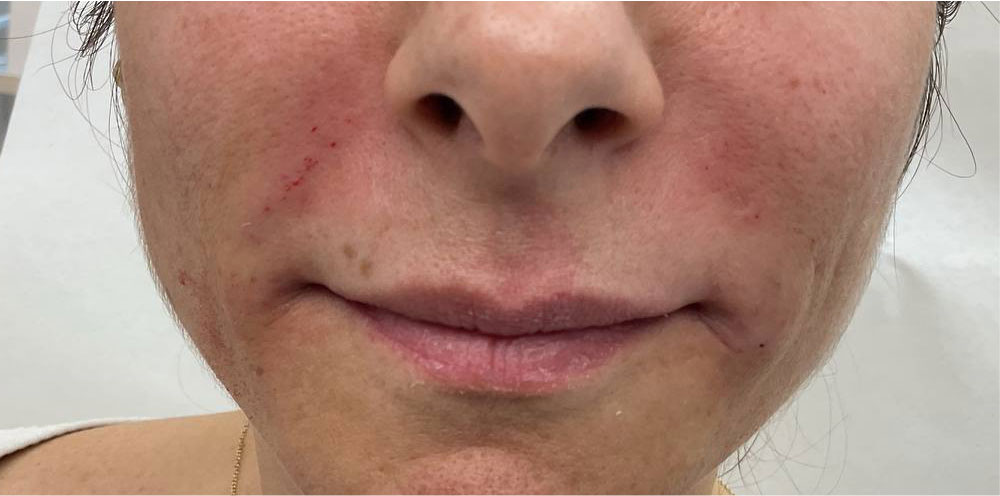
Facial Toronto clinic
What Can a Facial Help With?
A professional facial treatment can support the appearance and comfort of the skin by focusing on cleansing, hydration, exfoliation, and targeted skincare. Depending on the facial selected, it may be helpful for concerns such as:
Dry, dehydrated, or tight-feeling skin.
Dull-looking skin and uneven surface texture.
Congested pores, blackheads, and mild breakouts.
Roughness or buildup that makes skin look less smooth.
Temporary redness or sensitivity caused by seasonal changes or an impaired skin barrier.
Preparing the skin before a special occasion, when planned with enough time.
Maintaining the results of a broader facial rejuvenation routine.
A deep cleansing facial may be useful when congestion and clogged pores are the main concern. A hydrating facial may be more appropriate when the skin feels dry, dull, or compromised. If your concern involves deeper acne scarring, persistent pigmentation, significant laxity, or pronounced fine lines, a facial alone may not be the most effective option.
During your consultation, we can explain whether a custom facial, microneedling, PRP, skincare guidance, or another skin rejuvenation treatment may better match your goal.
How Often Should You Get a Facial?
How often you should book a facial depends on your skin goals, sensitivity, current skincare routine, and the type of treatment being performed. Some clients book a facial before a special occasion, while others include regular treatments as part of their long-term skin maintenance plan.
For general maintenance, many people choose a facial every four to six weeks. This timing can work well with the skin’s natural renewal cycle, but it is not a rule that applies to everyone. Clients with sensitive, reactive, acne-prone, or highly dehydrated skin may benefit from a different approach.
More frequent treatment is not always better. Over-exfoliation, aggressive extractions, or using unsuitable products can leave the skin irritated or disrupt the skin barrier. The right plan should prioritize skin health, realistic expectations, and treatments that your skin tolerates well.
If you are researching the best treatment for fine lines and wrinkles, a facial may improve hydration and surface radiance, but it cannot replace treatments that address movement-related lines, volume loss, or deeper textural concerns. A consultation helps clarify what a facial can reasonably support and when another approach may be worth considering.
When Might Another Skin Rejuvenation Treatment Be More Suitable?
Facials are a helpful part of skincare maintenance, but they are not designed to treat every aesthetic concern. If you are looking for more targeted support for acne scars, texture, fine lines, skin laxity, volume loss, or uneven tone, your provider may recommend a different or combined approach.
For example, microneedling may be discussed when texture, enlarged pores, or acne scarring are a primary concern. PRP may be considered as part of a regenerative-focused plan. If you are comparing microneedling vs PRP Toronto, the right option depends on your skin condition, timeline, budget, and the outcome you want to prioritize.
For concerns related to facial volume or contour, treatments such as dermal fillers, Sculptra, or other non-surgical facial rejuvenation options may be more appropriate than a facial. This does not mean a facial has no role; it may still support skin quality as part of a broader, personalized plan.
At Lux Beauty Skin, we do not believe every client needs the same treatment. We focus on understanding what you would like to improve, explaining your options clearly, and helping you choose a plan that feels appropriate for you.
Frequently Asked Questions About Facial in Toronto
FAQ
Yes, many facial treatments can be adapted for sensitive skin, but the treatment should be selected carefully. Sensitive skin may not be suitable for strong exfoliation, aggressive extractions, fragranced products, high heat, or multiple active ingredients in one appointment.
For general skin maintenance, many people book a facial every four to six weeks. However, the right schedule depends on your skin type, concerns, home skincare routine, sensitivity, and the type of facial treatment you receive.
Someone with dry or sensitive skin may need a gentler and less frequent approach, while someone dealing with congestion may benefit from a different schedule. More frequent facials are not automatically better. Too much exfoliation or aggressive treatment can irritate the skin barrier. Your provider can recommend a practical plan during a personalized skin consultation.
A deep cleansing facial may help support skin affected by congestion, blackheads, excess oil, and mild breakouts. Cleansing, gentle exfoliation, and carefully performed extractions may help remove surface buildup and improve the appearance of clogged pores.
However, facials are not a cure for acne, and they may not be appropriate during severe, painful, inflamed, or infected breakouts. Persistent acne can have multiple causes, including hormones, skincare products, medication, and genetics. Your provider may recommend a gentler facial, changes to your home routine, or referral to a medical professional when necessary.
After a facial, it is usually sensible to keep your skincare routine simple for the rest of the day. Avoid strong exfoliants, retinoids, scrubs, high-heat workouts, saunas, steam rooms, and direct sun exposure if your skin feels sensitive or has received exfoliation or extractions.
Use gentle cleansing, hydration, and sunscreen as recommended by your provider. Avoid picking at the skin or trying to remove congestion yourself. Aftercare can vary depending on the type of facial, products used, and your skin’s response, so follow the specific guidance you receive after your treatment.
A facial may improve hydration, surface smoothness, and temporary radiance, which can soften the appearance of very fine dehydration lines. However, it cannot fully treat deeper wrinkles, muscle-related expression lines, significant volume loss, or skin laxity.
If you are looking for the best treatment for fine lines and wrinkles, the right option depends on what is causing the concern. Botox may be considered for movement-related lines, while microneedling, PRP, dermal fillers, or collagen-stimulating treatments may be discussed for other concerns. A consultation helps determine whether a custom facial is enough or should be part of a broader facial rejuvenation plan.
A facial can be a good option before an event when it is planned early enough and selected for your skin’s needs. If you already know how your skin responds, a gentle hydrating facial may be appropriate closer to the event.