Microneedling Recovery Timeline: A Week-by-Week Guide


You just left your microneedling appointment, your face feels warm and looks flushed, and you're already searching for how long this will last. Maybe you have plans this weekend, or you're just trying to figure out if what you're seeing is normal.
Here's the direct answer: most people move through visible redness in 24 to 72 hours, mild flaking by days 3 to 5, and see the skin settle into a smoother, more even texture within 7 to 10 days. Deeper changes, like improved tone and firmness, continue building for 4 to 8 weeks as collagen remodels. This article walks through what actually happens at each stage, so you know what's expected versus what needs a call to your provider.
Table of Contents
ToggleQuick Answer: Microneedling Recovery Timeline
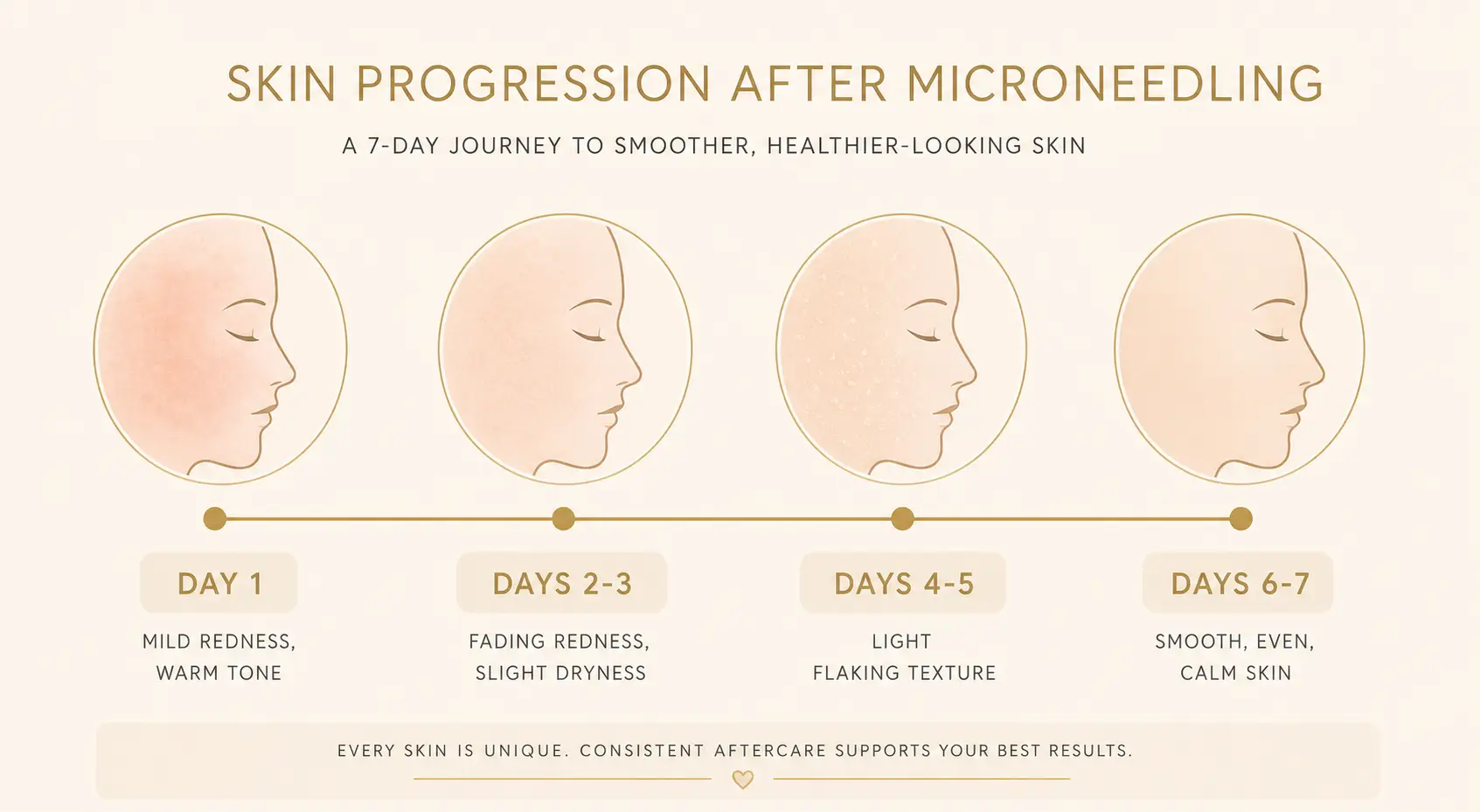
Day 1: Redness, warmth, tightness — similar to a mild sunburn
Days 2–3: Redness fades, skin feels dry or tight
Days 4–5: Light flaking or peeling in some patients
Days 7–10: Skin looks smoother, more even
Weeks 2–8: Gradual improvement in tone and firmness as collagen rebuilds
Full results: Often visible by week 4, continuing to refine through week 8
What We Actually See at Lux Beauty Skin
At Lux Beauty Skin, recovery timelines vary more than people expect. Two clients with the same treatment settings can heal at noticeably different paces, depending on skin type, hydration levels, and how closely they follow aftercare instructions.
We generally see redness resolve faster in clients with fewer sun-damaged areas, while those treating acne scarring or textural concerns sometimes have slightly longer flaking phases. We don't promise a fixed number of days for anyone, because skin doesn't work on a universal schedule. What we can say is that most healthy adults are back to makeup and normal routines within a week, with visible texture improvements building steadily after that.
Reference Table: Microneedling Recovery Day by Day
| Timeframe | What to Expect |
|---|---|
| Day 1 | Redness, warmth, mild swelling |
| Days 2–3 | Redness fading, tightness, dryness |
| Days 4–5 | Possible light flaking or peeling |
| Days 6–7 | Skin tone evens out, texture smoother |
| Weeks 2–4 | Gradual firmness and tone improvement |
| Weeks 4–8 | Continued collagen-driven refinement |
What Happens in the First 24 Hours After Microneedling?
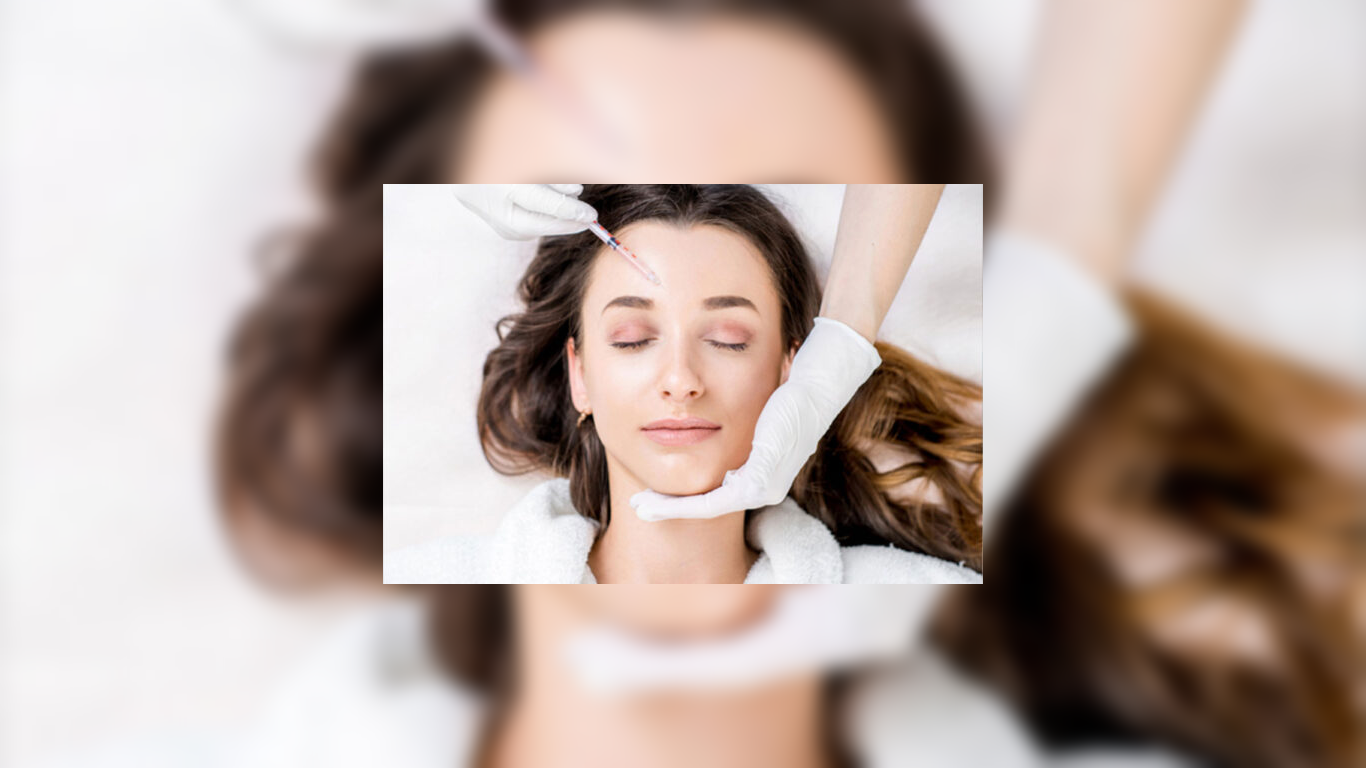
Immediately after treatment, your skin will likely look red and feel warm, similar to a moderate sunburn. Some mild swelling is common, especially around the cheeks and forehead. This is your skin's normal inflammatory response to the micro-channels created during treatment, and it's part of how the process stimulates collagen production.
Most people can return to normal activities the same day, though makeup is usually not recommended until at least the next morning.
How Long Does Microneedling Downtime Really Last?
Microneedling downtime is typically shorter than many people expect. For most patients, visible redness resolves within 24 to 72 hours, and any noticeable "just had a treatment" appearance is gone within 3 to 5 days.
This makes microneedling one of the lower-downtime options compared to more aggressive resurfacing treatments, though individual healing pace still varies based on skin sensitivity and treatment depth.
Why Does Skin Flake or Peel After Microneedling?
Not everyone experiences flaking, but when it happens, it's usually mild and appears around days 3 to 5. This is part of the skin's natural turnover process as it responds to the micro-injuries created during treatment.
Picking or exfoliating flaking skin can interfere with healing and increase the risk of irritation, so gentle hydration is generally the better approach during this phase.
What Does "Full Results" Actually Mean for Microneedling?
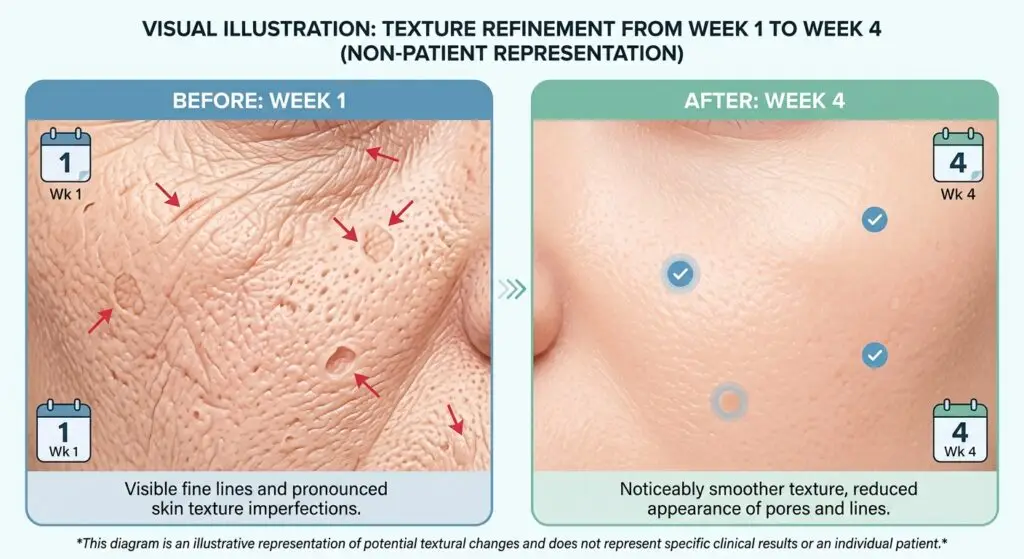
Full results don't appear overnight. While your skin may look brighter within the first week, the deeper changes — improved firmness, smaller pores, more even tone — come from collagen remodeling, which continues for 4 to 8 weeks after treatment.
This is why a single microneedling session often looks good but not dramatic. Most treatment plans involve a series of sessions spaced several weeks apart to build on that collagen response over time.
Microneedling Aftercare: What Actually Speeds Up Healing?
Aftercare matters more than most people assume. Gentle cleansing, avoiding active ingredients like retinoids for several days, and consistent SPF use all support a smoother recovery. Skipping sun protection during the healing window is one of the more common reasons people see uneven pigmentation afterward.
Hydration — both skincare and drinking water — also supports the skin barrier as it repairs itself during the first week.
Microneedling vs PRP Toronto: Does Adding PRP Change Recovery?
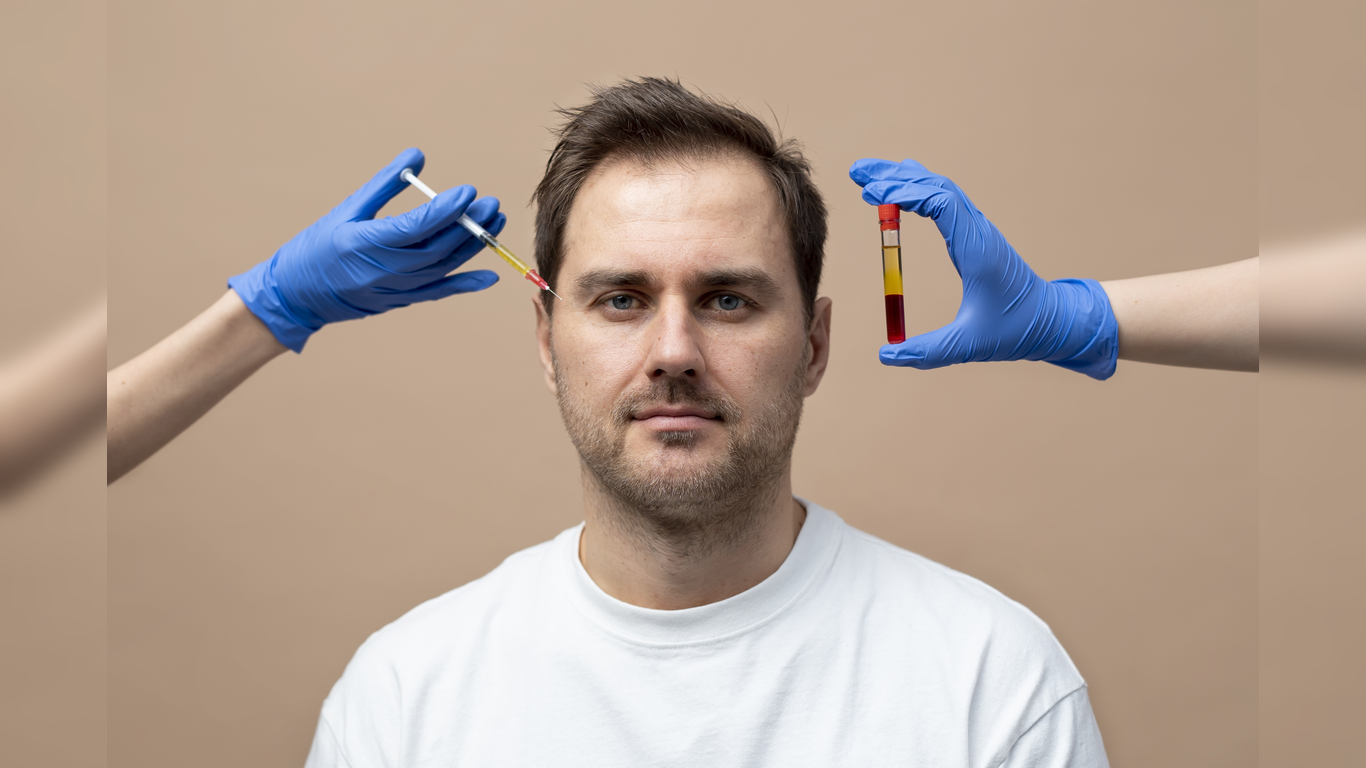
Some Toronto clients combine microneedling with PRP (platelet-rich plasma) for added healing support. When PRP is layered onto microneedling, some patients report slightly less visible redness by day 2, though this varies by individual response. The core recovery timeline — redness, flaking, gradual improvement — is largely the same either way.
The bigger difference between microneedling and PRP alone is in the mechanism, not necessarily the downtime, which is why the two are often compared for different goals rather than as strict alternatives.
Signs Your Recovery Is on Track
Redness is gradually fading rather than worsening after day 2 or 3
Any flaking is light, not accompanied by significant pain or spreading redness
Skin feels increasingly comfortable, not more irritated, as days pass
You're seeing early texture improvement by day 7 to 10
Signs You Should Contact Your Provider
Redness or swelling that worsens after day 3 instead of improving
Signs of infection, such as increasing warmth, pus, or fever
Unusual or severe pain beyond mild sensitivity
Breakouts or reactions that don't resolve within a week
If any of these occur, don't wait for your next scheduled visit — reach out to your provider directly.
When Should You Book Your Next Session?
Most microneedling plans space sessions 4 to 6 weeks apart, allowing time for full collagen remodeling before the next treatment. Booking too soon, before your skin has finished its recovery cycle, generally doesn't accelerate results and may increase sensitivity.
What a Qualified Provider Assesses Before Your Next Treatment
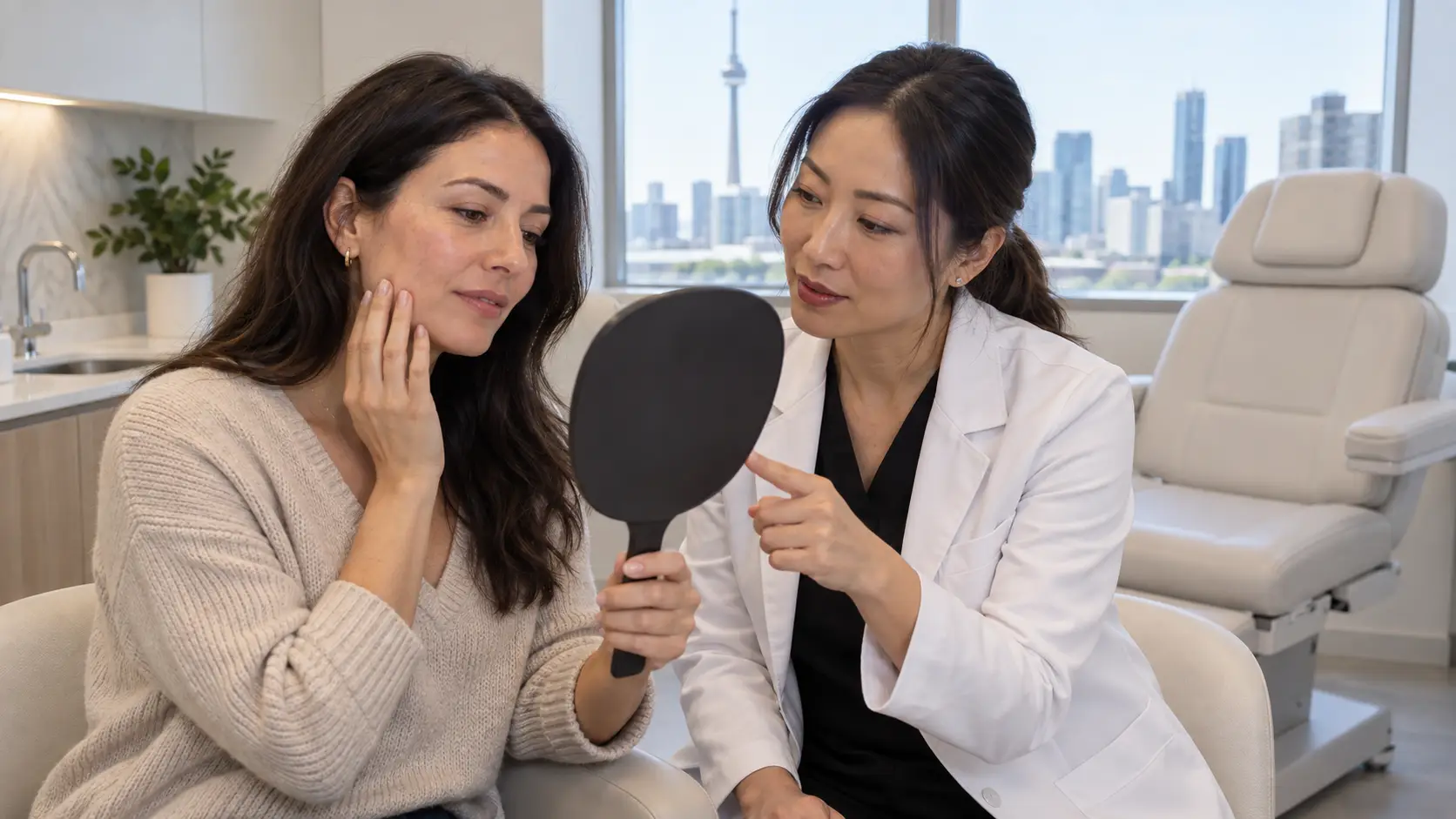
A qualified provider will check how your skin responded to the previous session, whether flaking or sensitivity resolved as expected, and whether your skin is ready for another round. They'll also confirm you're not dealing with active breakouts, sunburn, or skin barrier issues that could affect healing.
Safety, Limits, and Who Should Wait
Microneedling is generally well-tolerated, but it isn't right for everyone at every time. It's typically not recommended during active acne breakouts, cold sores, eczema flare-ups, or for those on certain acne medications like isotretinoin. Recent sun exposure or sunburned skin can also mean postponing treatment.
Microneedling in Canada should be performed by a trained, qualified provider using sterile, Health Canada–compliant devices in a proper clinical setting. This matters both for safety and for how predictably your skin heals afterward.
Planning for Microneedling Recovery and Follow-Up Costs
Recovery itself doesn't typically require special products beyond gentle skincare and SPF, but many clients ask about the cost of a full treatment series rather than a single session, since results build gradually over multiple visits.
The right number of sessions and spacing should be based on your skin's response and goals, not a fixed package chosen without assessment. A consultation can help map out a realistic plan and timeline before you commit.
FAQs
For most people, redness fades within 24 to 72 hours, but slightly longer redness — up to 4 or 5 days — isn’t necessarily abnormal, especially with more sensitive skin or deeper treatment settings. If redness is fading gradually rather than intensifying, this is usually still within a normal range. If it worsens or is accompanied by increasing pain, swelling, or warmth, it’s worth checking in with your provider rather than waiting it out.
Most providers recommend avoiding makeup for at least 24 hours after treatment to reduce the risk of irritation or infection while the skin’s micro-channels are still closing. Some people wait a bit longer if flaking or sensitivity is present. Once the initial redness has settled, typically after day 2 or 3, mineral-based, gentle makeup is usually fine to resume, though it’s worth checking with your specific provider’s aftercare guidance.
It’s common for skin to look flushed, dry, or slightly uneven in the first several days before results become visible. This happens because the skin is actively healing and undergoing turnover, which can temporarily make texture or tone look inconsistent. This phase is usually short-lived, and most people see noticeable improvement in smoothness and evenness by the end of the first week.
Not typically. Most people find recovery time stays fairly consistent across sessions, assuming similar treatment depth and aftercare. Some clients report slightly faster visible recovery in later sessions as skin becomes more resilient, though this varies. If you notice recovery becoming progressively longer or more uncomfortable with each session, that’s worth discussing with your provider, as it may indicate the treatment plan needs adjusting.
While you can’t dramatically shortcut the biological healing process, consistent hydration, gentle skincare, and diligent SPF use can support smoother, more comfortable healing. Avoiding retinoids, exfoliants, and direct sun exposure during the first several days also helps prevent added irritation that could extend recovery. Rushing back to harsher products or skipping aftercare guidance is one of the more common reasons recovery feels longer than expected.