Microneedling vs PRP Toronto: Which Treatment Should You Choose?

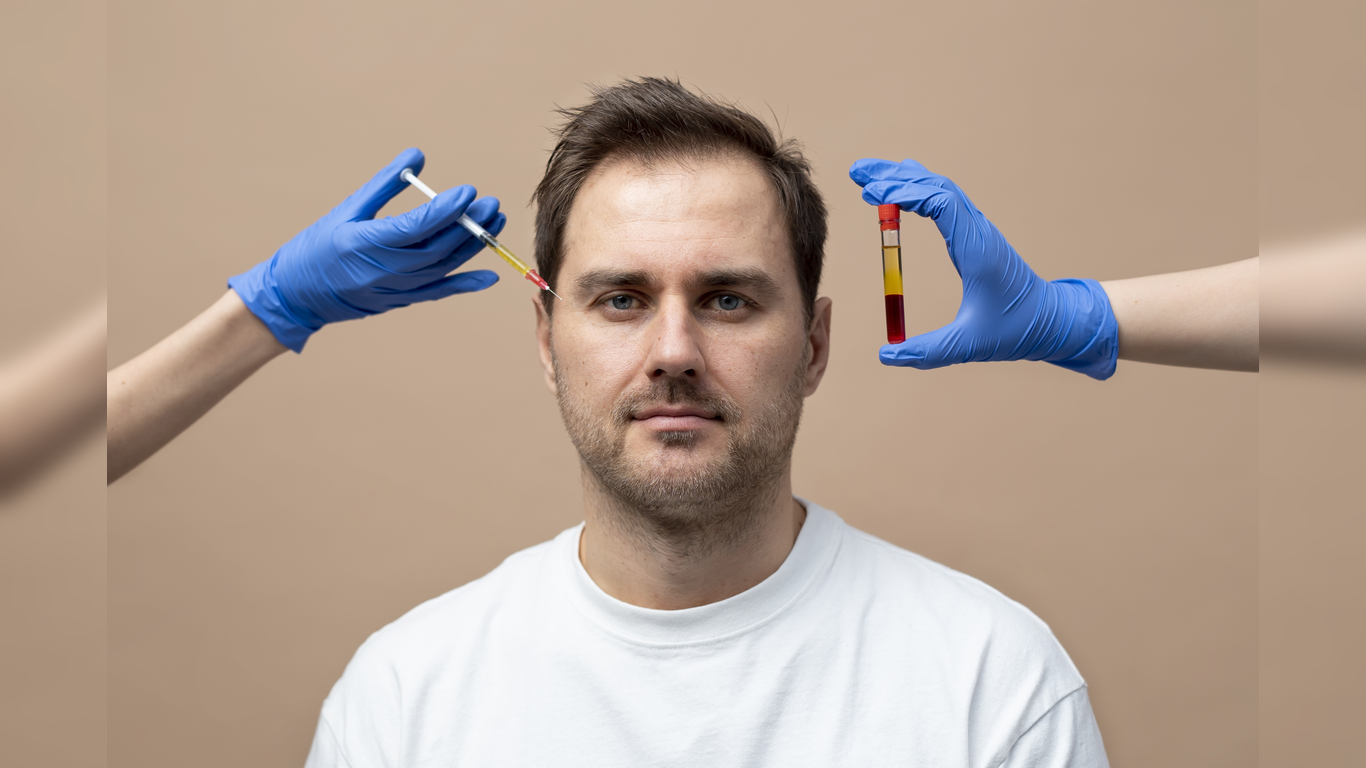
If you are trying to decide between treatments for acne scars, fine lines, or overall skin rejuvenation, microneedling and PRP are often the two options people compare first. The short answer is that microneedling and PRP can both help, but they are not the same treatment and they do not work best for the same skin concerns.
This article will help you decide whether microneedling alone, PRP alone, or a combination approach makes more sense for your skin, your timeline, and your budget.
Table of Contents
ToggleWhat We Actually See at Lux Beauty Skin?
Microneedling vs PRP Toronto: which should you choose?
-
Microneedling is usually better if your main concern is texture, pores, fine lines, or acne scars and you want a simple collagen-stimulating treatment.
-
PRP may be a better fit if you want a more regenerative option and your skin needs extra support for healing and rejuvenation.
-
Microneedling + PRP can be a strong choice for patients who want to combine collagen induction with growth-factor support.
-
The right choice depends on your skin concern, downtime tolerance, and treatment goals.
What We Actually See at Lux Beauty Skin?
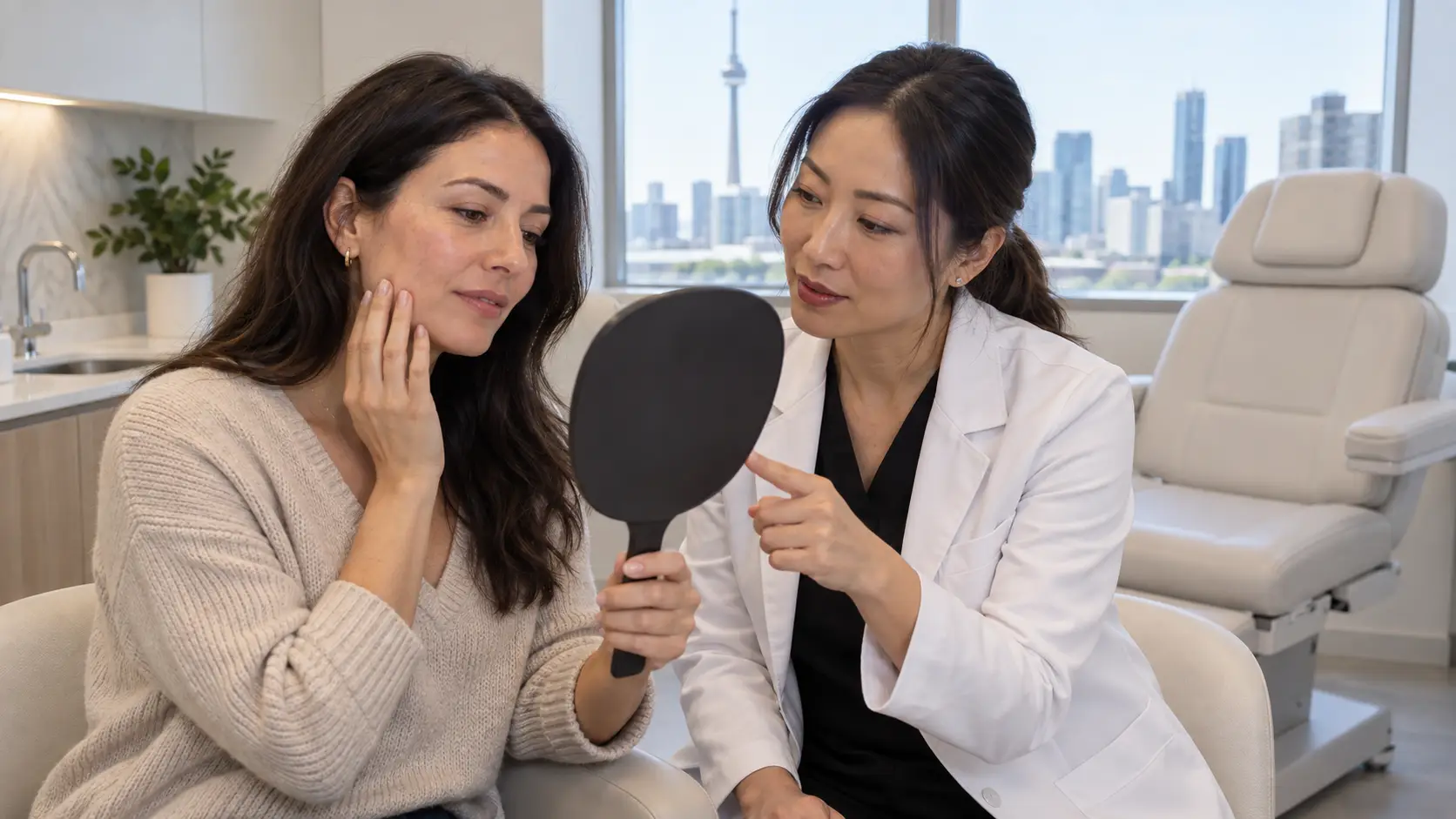
Most patients do not come in saying they want one specific treatment. They usually say their skin looks tired, uneven, or scarred, and they want to know which option will actually help.
What we see most often is that microneedling works well for people who want gradual improvement in skin texture, while PRP tends to appeal to patients looking for a more restorative approach. The best results usually come from matching the treatment to the real issue, not from choosing the treatment that sounds more advanced.
Our approach is conservative and natural-looking. We do not recommend combining treatments unless it genuinely makes sense for the skin in front of us.
Microneedling Reference Table
| Question | Microneedling | PRP |
|---|---|---|
| Main mechanism | Collagen induction through controlled micro-injuries | Growth-factor-based skin regeneration |
| Best for | Fine lines, acne scars, pores, texture | Skin rejuvenation, dullness, recovery support |
| Downtime | Usually short | Similar or slightly longer if combined with microneedling |
| Results | Gradual, builds over a series | Gradual, often best in a series |
| Common use | Standalone treatment | Standalone or added to microneedling |
How Microneedling Works
If you are trying to decide between treatments for acne scars, fine lines, or overall skin rejuvenation, microneedling and PRP are often the two options people compare first. The short answer is that microneedling and PRP can both help, but they are not the same treatment and they do not work best for the same skin concerns.
This article will help you decide whether microneedling alone, PRP alone, or a combination approach makes more sense for your skin, your timeline, and your budget.
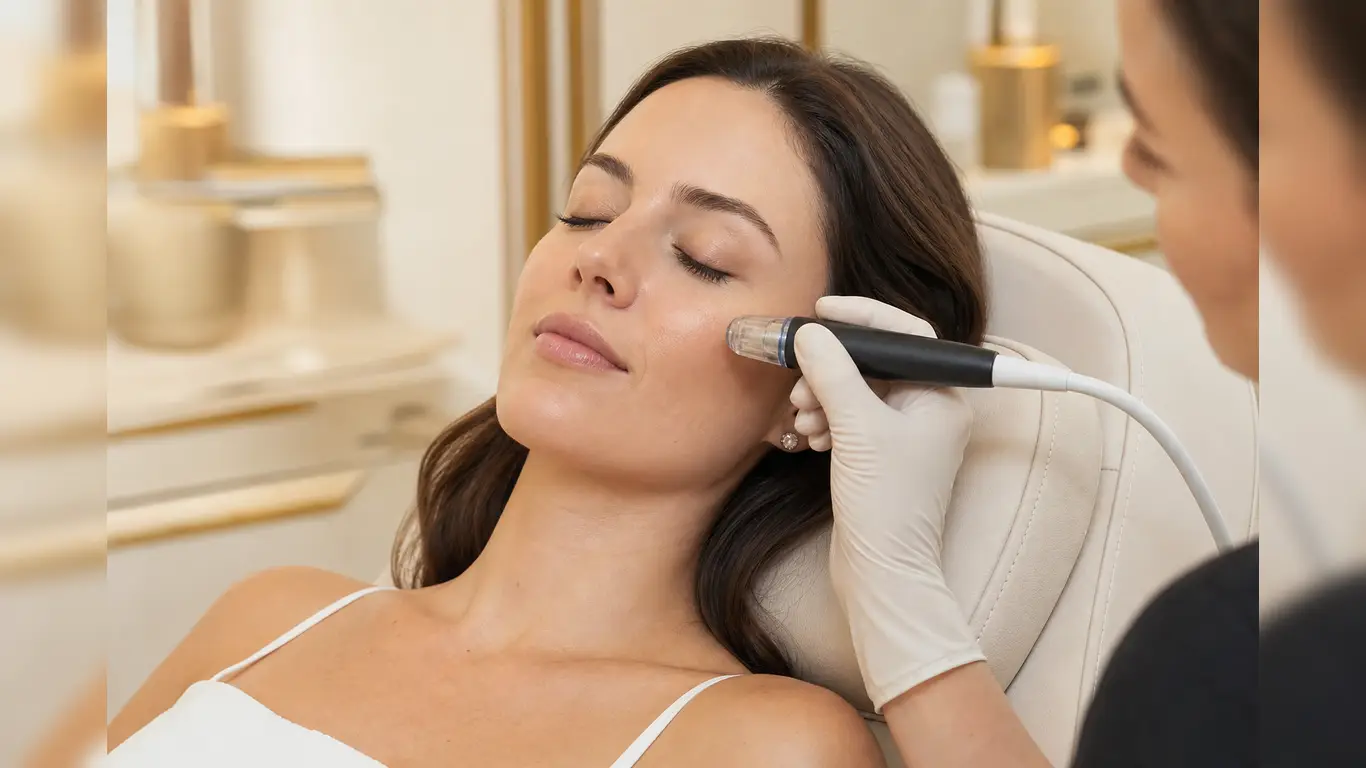
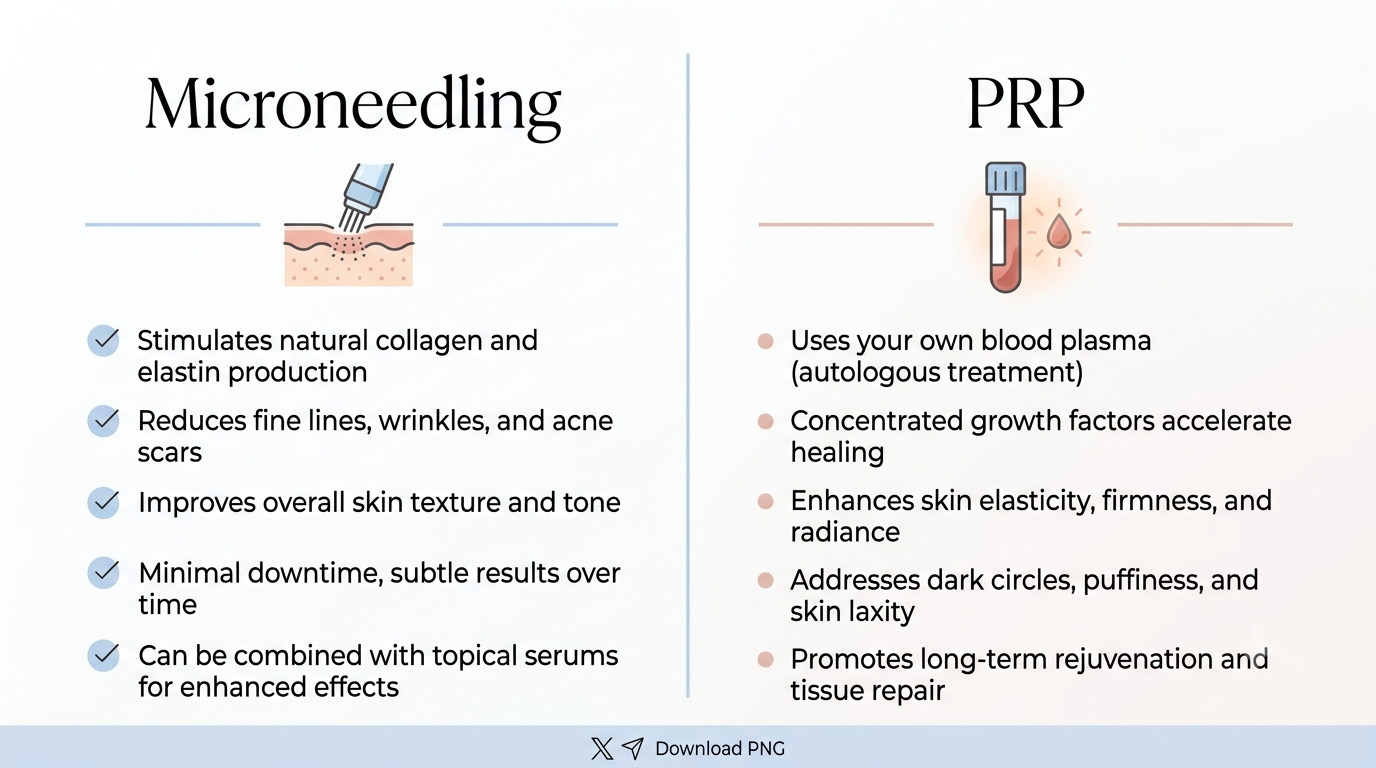
Microneedling uses fine needles to create controlled micro-injuries in the skin. That triggers the body’s natural healing process and encourages collagen and elastin production over time.
This makes it useful for patients who want smoother texture, softer fine lines, and improvement in mild acne scars. It is not designed to add volume or dramatically change facial structure.
For many patients, it is the simpler and more straightforward option because it focuses on collagen stimulation without adding another product to the treatment.
How PRP Works
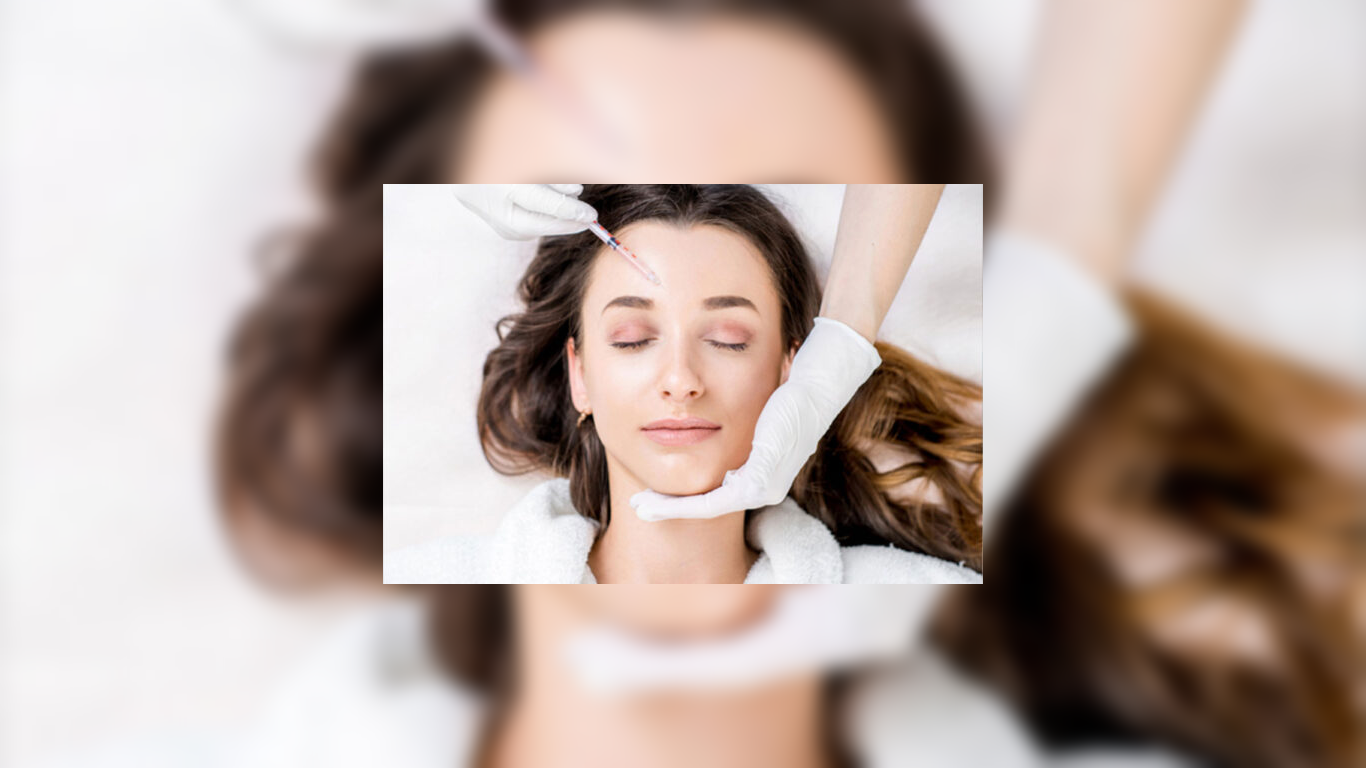
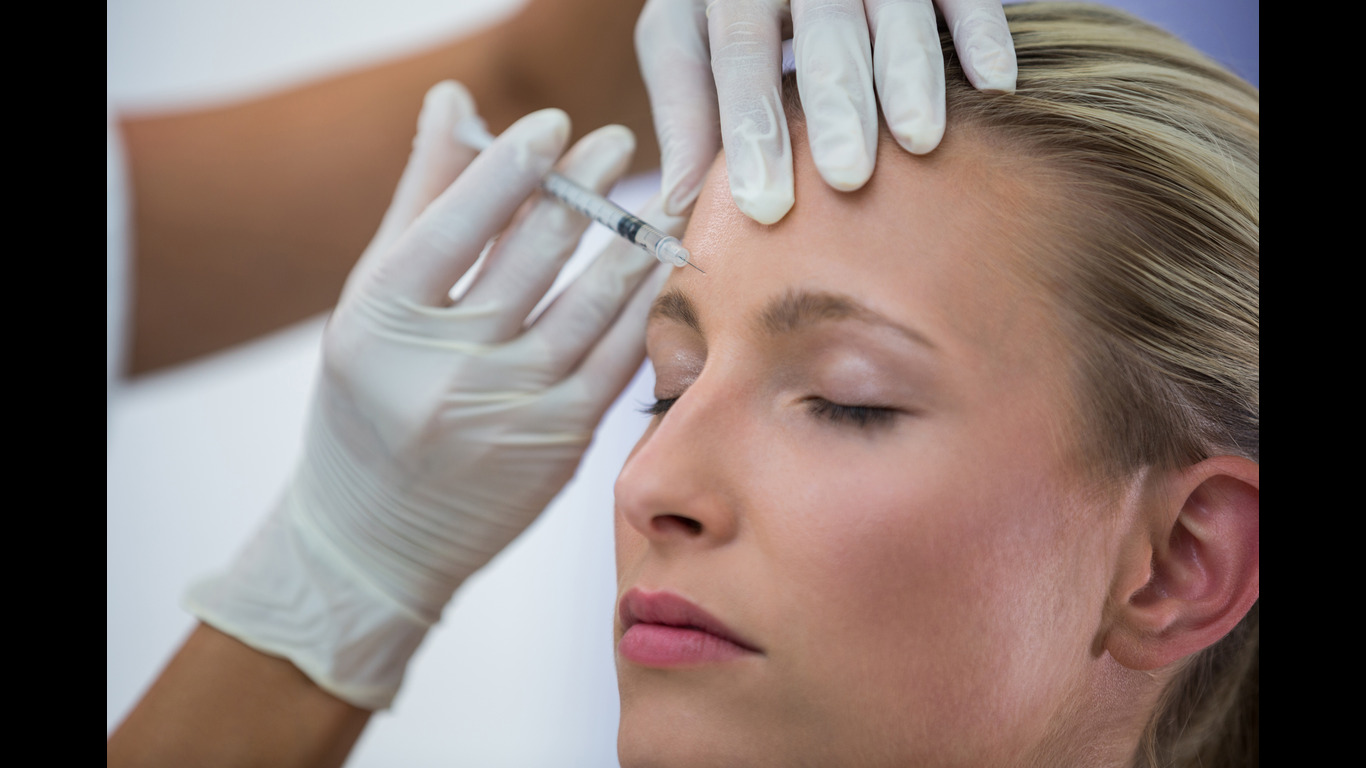
PRP stands for Platelet-Rich Plasma. It is created from your own blood and concentrated so the platelet-rich portion can be used in a treatment protocol designed to support healing and skin rejuvenation.
In aesthetic medicine, PRP is often used on its own or paired with microneedling to support recovery and improve overall skin quality. Patients often choose PRP when they want a more regenerative treatment and are comfortable with a slower, gradual result.
PRP is not a filler. It does not add volume in the way injectable filler does, and it is not a replacement for treatments that target deeper structural changes.
Which Helps Acne Scars Better?
For many patients, microneedling is the first place to start for acne scars because it directly stimulates collagen in the areas where texture needs improvement. It tends to be most helpful for mild to moderate scarring, especially when the goal is to soften the surface over time.
PRP may support the healing process and can be useful when the skin also needs a rejuvenation boost, but it is not automatically better just because it sounds more advanced. If the scar pattern is deeper or more tethered, microneedling alone may not be enough, and a different plan may be needed.
The most practical answer is this: if the concern is visible texture change, microneedling usually does the heavy lifting.
What About Fine Lines?
For fine lines, both treatments can help, but in different ways.
Microneedling is usually the more direct option when the lines are shallow and the skin simply needs collagen support. PRP may help improve skin quality and resilience, which can make fine lines look less noticeable over time.
If the lines are caused mainly by facial movement rather than skin quality, another treatment may be more effective. That is why a consultation matters before choosing a treatment based only on photos or online descriptions.
Microneedling vs PRP for Hair
This is a separate intent from skin rejuvenation, but people often ask about it during the same consultation.
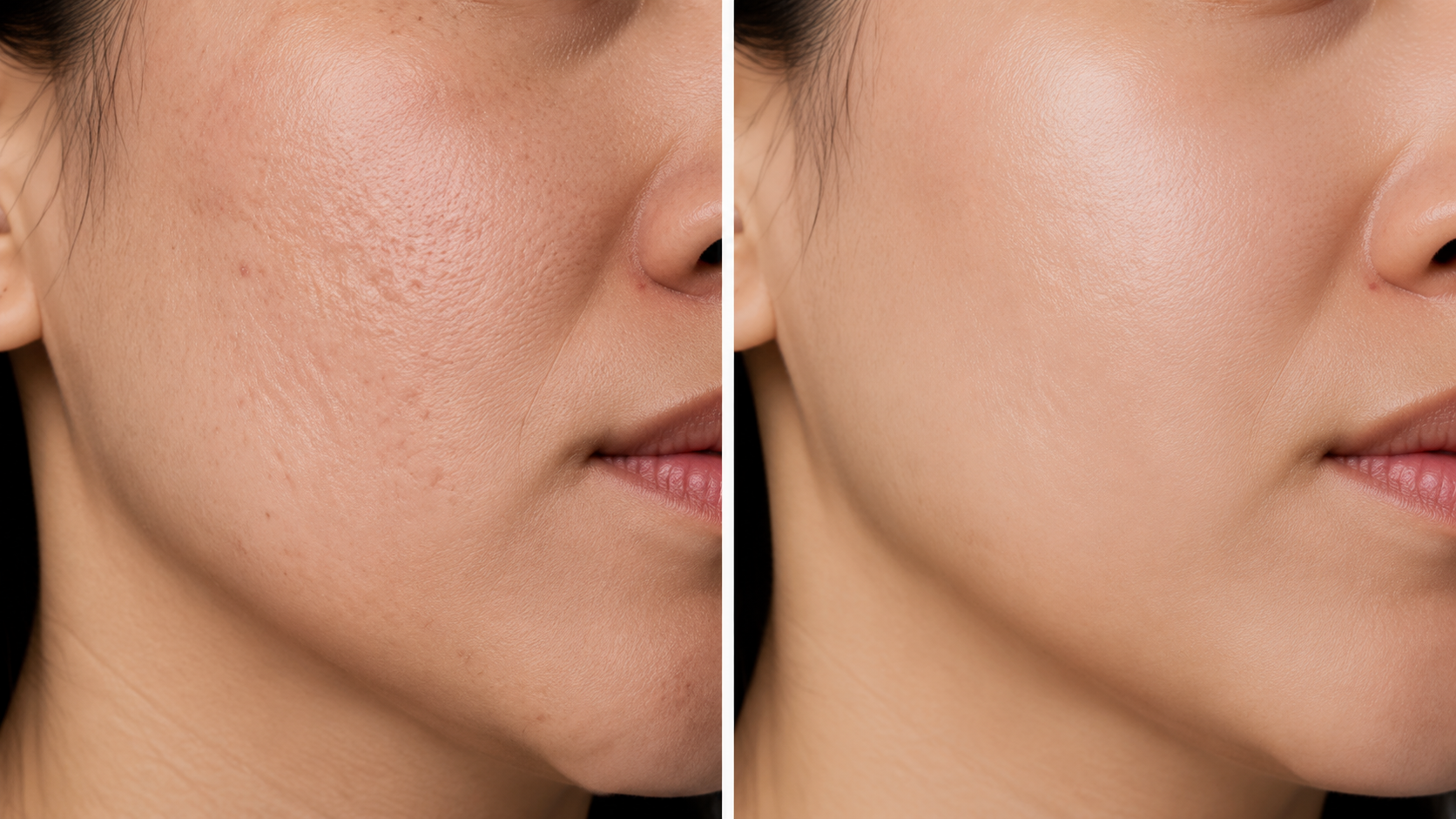
PRP is more commonly discussed for hair concerns because of its growth-factor profile and regenerative role. Microneedling can also be used as part of a hair-restoration plan, but the two are not interchangeable.
If your main goal is hair thinning rather than facial texture, the treatment plan should be built specifically for hair and scalp needs rather than borrowed from facial skin protocols.
When Microneedling Makes Sense
Microneedling may be the better choice if:
-
You want to improve acne scars or visible texture.
-
You want a straightforward collagen-stimulating treatment.
-
You prefer a treatment with relatively simple aftercare.
-
You want gradual improvement without a dramatic look.
-
You are comparing the most practical treatment for skin rejuvenation.
This is often the right starting point for patients who want honest improvement without overcomplicating the plan.
When PRP Makes More Sense
PRP may be the better choice if:
-
Your skin looks dull or depleted rather than just textured.
-
You want a more regenerative treatment approach.
-
You are interested in combining treatment with microneedling.
-
You want a skin rejuvenation plan that feels more restorative.
-
You are comfortable with gradual results and a treatment series.
PRP is often chosen by patients who are less focused on “fixing one line” and more focused on improving overall skin quality.
When Not to Rush
It may be better to wait if:
-
Your skin is actively inflamed or broken out.
-
You have a current infection or irritation in the area.
-
You are expecting instant results from a collagen-based treatment.
-
You are unsure whether your concern is texture, volume loss, or something else.
-
You are comparing treatments without having your skin properly assessed first.
The right timing matters as much as the right treatment.
What a Qualified Provider Assesses
A qualified provider should look at more than the treatment name. They should assess:
-
Whether your main concern is acne scars, fine lines, or general rejuvenation.
-
How deep or diffuse the texture issue is.
-
Whether microneedling alone is enough.
-
Whether PRP should be added.
-
Whether your skin is in a good state for treatment.
That assessment is what helps avoid wasted time and money.
Safety and Trust
Both microneedling and PRP should be performed using proper clinical technique and appropriate sterile protocols. Temporary redness, swelling, and sensitivity are common, but they usually settle within a short time.
Not everyone is a candidate. Active skin infection, significant inflammation, and certain medical situations may mean you should wait or choose another treatment. In Canadian medical aesthetics, safety and patient selection should always come first.
If a provider is recommending treatment without looking closely at your skin, that is a red flag.
Pricing and Planning
Microneedling and PRP are usually planned as a series rather than a one-time treatment. That means the real question is not only the cost of one appointment, but the total investment needed to reach your goal.
At Lux Beauty Skin, the right treatment plan depends on the skin concern, whether PRP is added, and how many sessions make sense for your goals. If you are deciding between the two, booking a consultation is the best way to estimate both value and outcome before starting.
FAQ
Microneedling is often the stronger first choice for acne scars because it directly stimulates collagen in the areas where texture needs improvement. PRP can support healing and improve skin quality, but it is usually more of an add-on or complement than the main treatment for scar remodeling. If the scars are deeper or more complex, the provider may recommend a different plan altogether.
Yes, many patients choose to combine them. Microneedling creates the controlled skin stimulation, while PRP may help support recovery and skin quality. This combination is often considered when someone wants a more comprehensive skin rejuvenation treatment. The decision should still be based on your skin condition, goals, and how much downtime you are comfortable with.
Most patients need a series rather than a single session. The exact number depends on the concern being treated, how much texture change is needed, and how your skin responds. Acne scars usually take more than one treatment, while some patients looking for overall rejuvenation may need fewer sessions. A provider should give you a realistic plan after examining the skin.
It can be, but not for everyone. Some patients like PRP because it adds a regenerative component to microneedling and may help support skin quality. Others get what they need from microneedling alone and do not need the extra step. The best value comes from matching the treatment to your actual concern, not from adding treatments just because they can be combined.
Both usually involve short downtime, but microneedling alone is often the simpler option. PRP can have similar recovery, and the combination may feel a bit more involved depending on how it is delivered. Redness, sensitivity, and mild swelling are common after either approach. If you need to be back to normal very quickly, your provider should help you choose the most practical option.