PRP for Hair Loss in Toronto: What the Evidence Shows

PRP for hair loss can be worth discussing, but deciding whether to proceed takes more than a promising before-and-after photo. The useful questions are what the evidence measures, how closely it applies to your hair loss, and what treatment would involve over time.
Quick Answer: PRP may improve hair density for some people with hair loss, but results vary. Research does not establish one reliable success rate for every patient or treatment method. Repeat appointments are common, and early changes should be assessed over months rather than days. For Toronto-area readers considering Lux Beauty Skin, its website specifically lists hair PRP at the Richmond Hill location.
Table of Contents
ToggleWhat does the research say about PRP for hair loss?
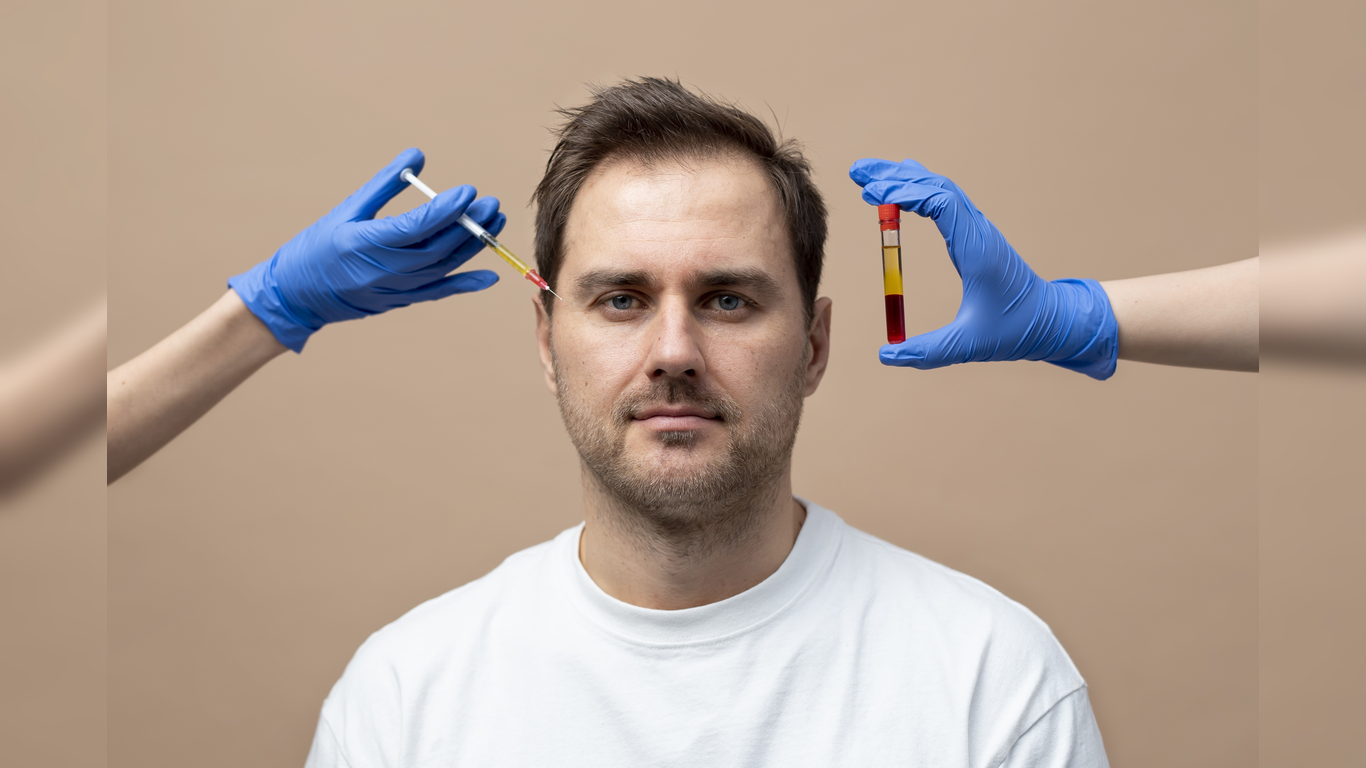
Research supports a potential benefit, with important uncertainty. PRP stands for platelet-rich plasma: a preparation made from a person’s own blood. For hair treatment, it is injected into the scalp.
A 2025 review of 43 randomised trials involving 1,877 participants reported improvements in hair density and reduced hair loss overall. It did not find a significant overall improvement in hair thickness. The authors described moderate evidence and noted differences in study methods and incomplete reporting of PRP composition.
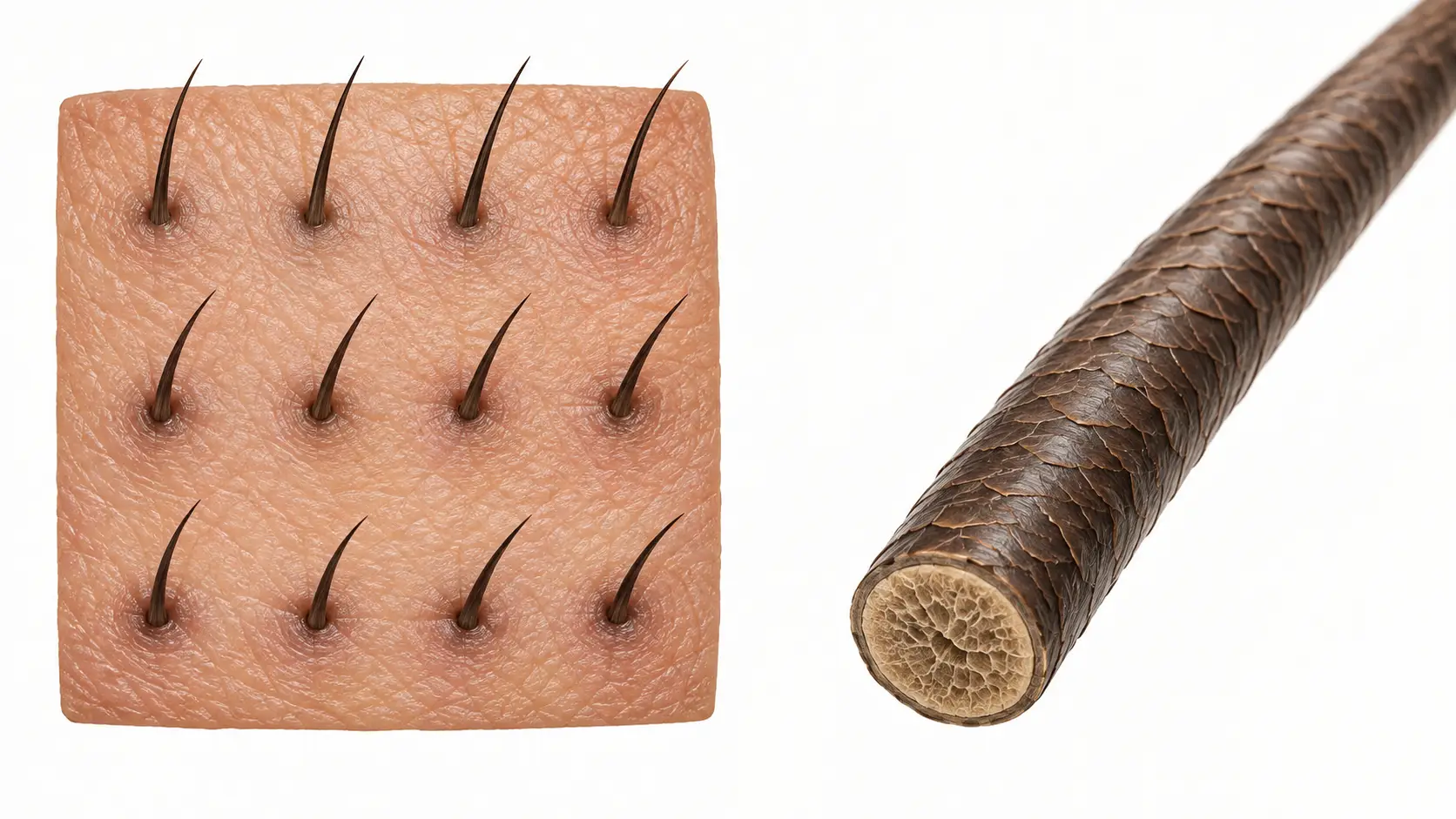
Density means the number of hairs in a measured area. Thickness means the width of individual hairs. Those outcomes are related, but they are not interchangeable—and neither tells you exactly how your hair will look after treatment.
The practical conclusion is that PRP has evidence behind it, while the size and visibility of a personal benefit remain uncertain.
Why a PRP for hair loss success rate needs context
There is no single dependable PRP hair treatment success rate that applies across clinics and patients. “Success” might mean a measurable density change, reduced shedding, or a patient feeling happier with coverage.
If a clinic gives you a percentage, ask:
- What counted as success?
- Did the patients have the same diagnosis as me?
- Was PRP used alone or alongside another treatment?
- How long after treatment were results measured?
- Was the percentage calculated from published research or the clinic’s own records?
A percentage without those details offers little help with a personal decision. Ask what a worthwhile result would look like for you before buying a course.
How many PRP sessions are needed for hair growth?
A series is common, rather than one appointment. The American Academy of Dermatology’s treatment guidance describes monthly PRP appointments for three months, followed by repeat treatment every three to six months. This is general guidance, not a personalised prescription or Lux Beauty Skin’s confirmed protocol.
Before starting, request a written plan separating the initial course from possible maintenance. It should explain when progress will be reviewed and what would prompt a change in approach.
Three appointments and three successful outcomes are different things. A proposed session count is a treatment plan, not evidence that you will respond.
How long does PRP take to work for hair loss?
The AAD notes that reduced shedding may become noticeable within the first few months. A useful assessment plan should distinguish an early change in shedding from a visible change in coverage.
Ask for baseline photographs and agree on a review date. To make comparisons more useful, keep lighting, camera angle, hair parting and styling consistent. Changing all four can make an ordinary photograph look like a treatment result.
Record other treatments you start or stop during the same period. If several things change together, it becomes harder to know what contributed to any improvement.
How long do PRP hair treatment results last?
Do not assume results are permanent. Repeat treatment is part of commonly described care, but a maintenance interval does not tell you precisely how long an individual benefit will last.
The reviewed evidence does not establish one dependable duration for everyone. Before proceeding, ask how the provider decides whether maintenance is worthwhile and what happens if your initial course produces little meaningful change.
For budgeting, compare the proposed initial course and possible follow-up costs. A per-session price alone does not show the full commitment.
Is PRP effective for female pattern hair loss?
PRP may be considered for women, but the diagnosis matters. Female pattern hair loss is not interchangeable with every cause of thinning or shedding in women. The broad 2025 review did not establish a clear difference in treatment effect by alopecia subtype, partly because of study differences and incomplete reporting.
Ask how the proposed evidence applies to your particular diagnosis. A finding from a mixed group should not be presented as a precise prediction for female pattern hair loss.
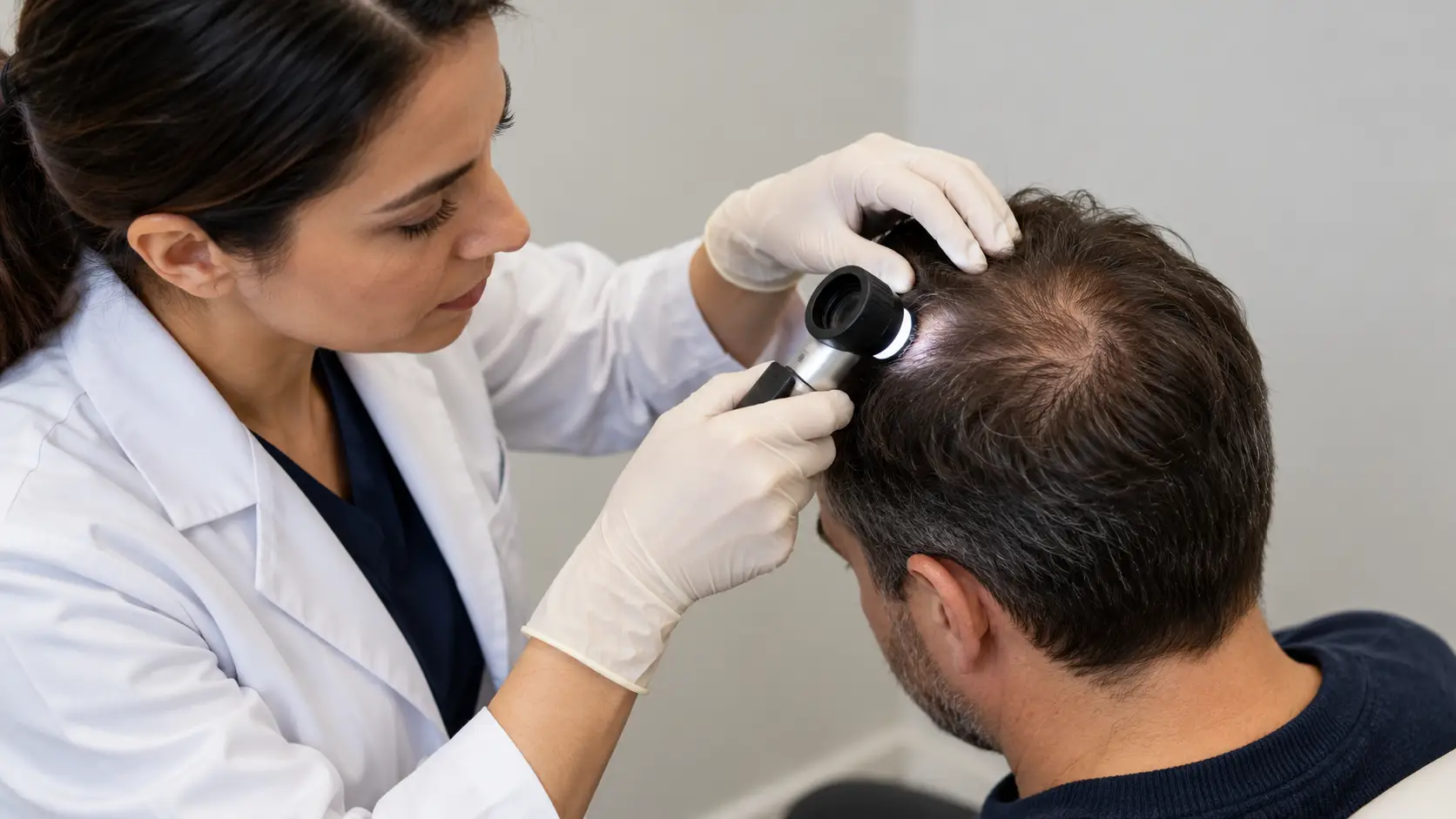
The AAD emphasises that effective treatment begins with identifying the cause. An assessment may include a medical history, scalp examination and tests when indicated.
What should you ask before choosing PRP hair treatment?
Use the consultation to obtain a clear decision, rather than simply a session quote:
- Diagnosis: What type of hair loss do I have, and how was it identified?
- Expected benefit: What change would make treatment worthwhile in my case?
- Alternatives: What other options should I discuss, and why choose PRP now?
- Safety: What risks, health conditions or medicines could affect suitability?
- Review: How will we measure progress and decide whether to continue?
- Cost: What is included in the initial course and possible maintenance?
PRP hair restoration is a treatment label, not a promise of complete restoration. Ask the provider to explain that distinction using your own goals.
Considering PRP for hair loss in Toronto
Check the treatment location before booking. Lux Beauty Skin’s PRP treatment service describes PRP for early hair thinning specifically at its Richmond Hill location. Toronto readers should confirm the location and hair-specific availability directly.
The website’s facial PRP price should not be assumed to be a hair-treatment quote. Request the relevant session price, proposed number of appointments and review plan.
If you are considering PRP for thinning hair, contact Lux Beauty Skin to ask about assessment at Richmond Hill. When using its online booking page, confirm that your appointment is for a hair-loss discussion at the appropriate location. Bring questions about your diagnosis, expected benefit and the point at which you will reassess treatment.
FAQs
Research suggests it can improve hair density for some patients. It does not establish that everyone will respond or that every form of hair loss should receive PRP.
Effectiveness depends on what is measured and how treatment is delivered. Ask whether the evidence describes hair counts, shedding or a visible improvement that matters to you.
One appointment does not match the repeat-treatment approach described by the AAD. Agree on an initial course and review point before deciding whether treatment has been worthwhile.
Not necessarily. Ask what the provider is monitoring and why the proposed timing makes sense for your response, rather than treating a calendar interval as proof.
The current PRP service page specifically identifies Richmond Hill for hair treatment. Confirm availability directly before making travel or booking arrangements.