
Laser Hair Removal Aftercare: What to Do and What to Avoid


Proper laser hair removal aftercare is an important part of protecting your skin and supporting your treatment results. Although laser hair removal typically requires little downtime, your skin may feel more sensitive than usual following a session.
Knowing when to shave, shower, exercise, exfoliate and resume your regular skincare routine can help minimize irritation and reduce the risk of unwanted side effects.
After laser hair removal, keep your skin cool, avoid excessive heat and direct sun exposure, and use gentle skincare products. Always follow the personalized aftercare instructions provided by your laser specialist.
Whether you have recently completed your first session or are undergoing a series of full body laser hair removal treatments, this guide explains how to care for your skin throughout the recovery process.
Table of Contents
ToggleWhat to Expect After Laser Hair Removal
Laser hair removal uses concentrated light energy to target pigment within the hair follicles and reduce future hair growth. Following treatment, your skin may experience a temporary reaction as it responds to the laser energy.
Common reactions include:
Mild redness or temporary changes in skin colour
Slight swelling around hair follicles
Increased skin sensitivity
A mild sensation of warmth
Gradual shedding of treated hairs
These reactions often improve within a few hours to several days, depending on your skin sensitivity, treatment area and individual response.
According to the American Academy of Dermatology, temporary swelling, redness and discomfort are among the most common side effects.
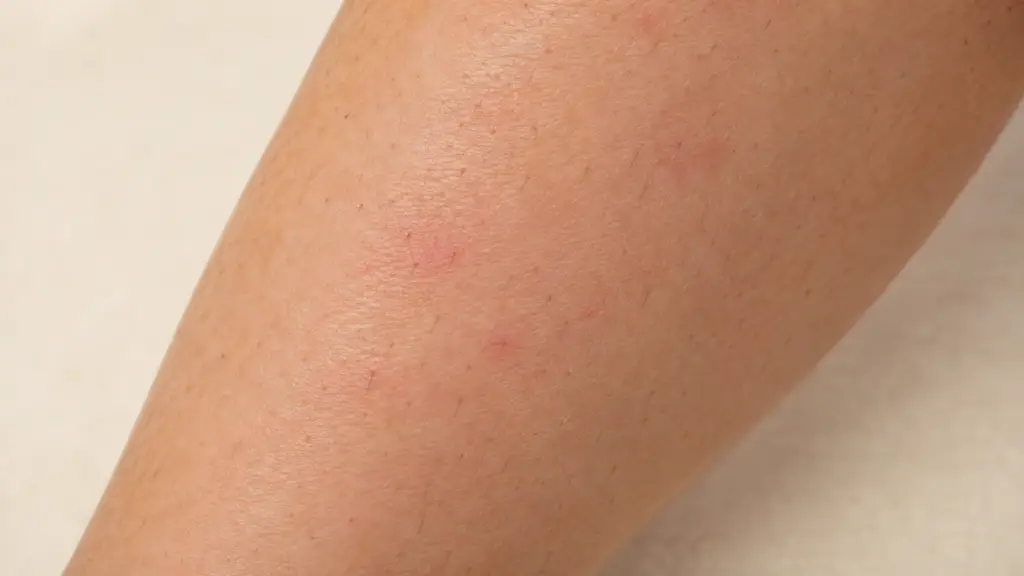
Is Redness After Laser Hair Removal Normal?
Mild redness after laser hair removal is generally a normal response. Some people may also notice small raised bumps around the treated hair follicles.
A clean, cool compress may help relieve temporary discomfort. However, redness that becomes more intense, spreads or occurs alongside blistering or significant pain should be assessed by a healthcare professional.
Laser Hair Removal Aftercare: The First 24–48 Hours
The first 24–48 hours are particularly important for keeping treated skin comfortable and avoiding unnecessary irritation. Some precautions may need to continue beyond this period.
| Activity | Aftercare Recommendation |
|---|---|
| Showering | Use lukewarm water and avoid scrubbing |
| Moisturizing | Use a gentle, fragrance-free product when permitted |
| Exercise | Avoid intense workouts until cleared by your provider |
| Sun exposure | Avoid direct sunlight on treated areas |
| Shaving | Wait until irritation has resolved and your provider approves |
| Exfoliation | Avoid until the skin has fully recovered |
| Hot tubs and saunas | Avoid during the recommended recovery period |
| Clothing | Choose loose, breathable fabrics |
| Waxing and plucking | Avoid between laser treatments |
Recovery instructions can vary depending on the laser technology, treatment settings and your skin's response. Follow your provider's recommended waiting periods rather than relying on a fixed schedule.
What to Do After Laser Hair Removal
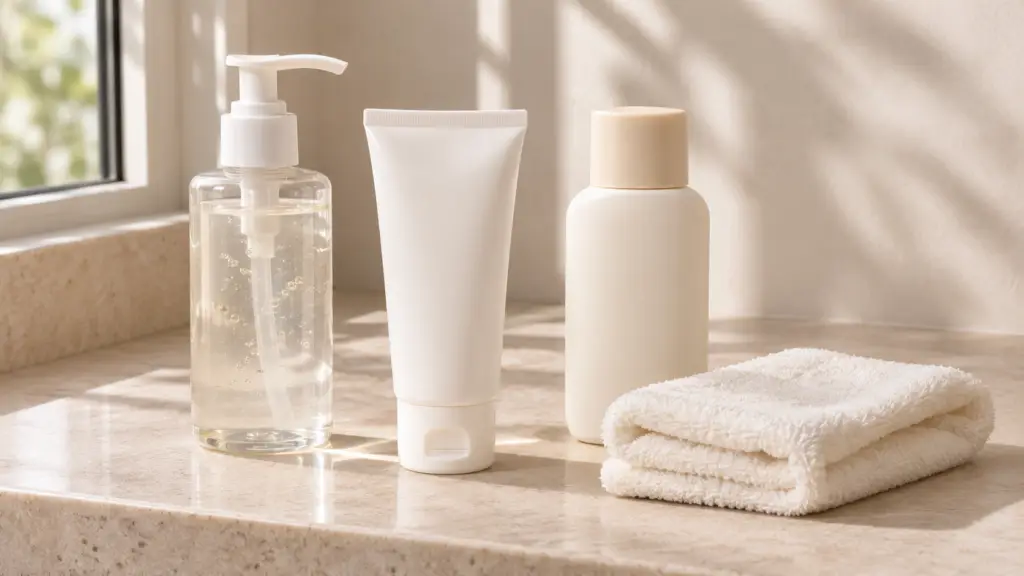
A simple post laser hair removal care routine can help protect sensitive skin without introducing unnecessary products or treatments.
Keep Your Skin Cool and Moisturized
If your skin feels warm or uncomfortable, apply a clean, cool compress for short periods. Avoid placing ice directly against your skin.
Once your provider confirms that moisturizing is appropriate, choose a gentle, fragrance-free moisturizer to support skin hydration.
Avoid products containing strong fragrances, irritating ingredients or exfoliating acids during the initial recovery period.
Aloe vera may also be suitable for some people, provided the formulation does not contain irritating additives and your laser specialist approves its use.
Protect Your Skin from Sun Exposure
Sun protection is one of the most important steps in laser hair removal aftercare.
Recently treated skin may be more vulnerable to unwanted pigmentation changes following UV exposure.
To protect your skin:
Avoid direct sun exposure on treated areas.
Wear protective clothing when outdoors.
Avoid tanning beds and intentional tanning.
Apply a broad-spectrum sunscreen with SPF 30 or higher to exposed skin when permitted by your provider.
Reapply sunscreen as directed on the product label.
Sun protection remains important between treatment sessions, not just immediately after an appointment.
In Richmond Hill and Toronto, UV exposure is still possible during colder months, making year-round sun protection a valuable part of your skincare routine.
Wear Loose and Comfortable Clothing
Tight clothing can create friction against recently treated skin, particularly around the legs, underarms and bikini line.
Choose soft, breathable clothing during recovery. Avoid garments that repeatedly rub against sensitive treatment areas.
This is especially helpful following laser hair removal for the legs or treatments involving several body areas.
What to Avoid After Laser Hair Removal
Understanding what to avoid after laser hair removal is just as important as knowing which skincare steps to follow.
Hot Showers, Saunas and Exercise
Excessive heat, sweating and friction may aggravate temporarily sensitive skin.
During your recommended recovery period, avoid:
Hot showers and baths
Saunas and steam rooms
Hot tubs
High-intensity exercise
Hot yoga
Swimming pools
Can You Shower After Laser Hair Removal?
In most cases, a gentle, lukewarm shower is suitable once your provider permits it.
Avoid directing very hot water onto treated skin. Use a mild cleanser without scrubbing, and gently pat the area dry with a soft towel.
Can You Workout After Laser Hair Removal?
It is best to postpone intense workouts during the initial recovery period.
Sweating, heat and repetitive movement may increase discomfort in recently treated areas. Light walking may be more comfortable if your skin is not irritated.
Ask your laser specialist when you can safely return to your usual exercise routine, especially after a full body treatment.
Waxing, Plucking and Harsh Skincare Products
Waxing, threading and tweezing remove hair from its follicle. Because laser hair removal targets pigment within the hair, these methods can interfere with subsequent treatments.
Avoid waxing and plucking throughout your treatment course unless your specialist advises otherwise.
You should also temporarily avoid:
Retinol and retinoids
Glycolic and salicylic acids
Chemical peels
Abrasive body scrubs
Fragranced lotions
Hair removal creams
Do not resume potentially irritating skincare products until the treated area has recovered and your provider confirms it is appropriate.
If you use prescription skincare products, consult your prescribing healthcare professional before changing your routine.
When Can You Shave After Laser Hair Removal?
You can usually resume shaving once your skin has recovered and your laser specialist confirms it is safe.
Unlike waxing or tweezing, shaving cuts hair at the skin's surface without removing it from the follicle.
Before shaving, make sure the treated area is no longer experiencing significant redness, swelling or tenderness.
For a gentler shaving routine:
Use a clean, sharp razor.
Apply a mild shaving product.
Avoid excessive pressure.
Do not repeatedly shave the same area.
Stop if shaving causes irritation.
The recommended waiting period varies between individuals and treatment protocols. Some providers permit shaving after a few days, while others recommend waiting longer.
For sensitive areas, such as those treated during bikini laser hair removal, additional recovery time may be appropriate.
Hair Shedding After Laser Hair Removal
Hair shedding is a natural part of the laser hair removal process. Treated hairs do not necessarily disappear immediately after your appointment.
Instead, affected hairs may gradually shed over the following days or weeks.
During this period, some hairs may appear to continue growing as they move towards the skin's surface. This does not necessarily mean your treatment was ineffective.
Hair shedding varies according to the treatment area, hair growth cycle and individual response.
How to Speed Up Shedding After Laser Hair Removal
There is no proven at-home method that reliably accelerates laser hair shedding.
The best approach is to allow the process to happen naturally while maintaining a gentle skincare routine.
Once your skin has recovered and your provider approves, gentle cleansing and mild exfoliation may help remove hairs that have already loosened.
Avoid pulling hairs out with tweezers, picking at the skin or using aggressive exfoliation to force shedding.
When Can You Exfoliate After Laser Hair Removal?
Exfoliation should be avoided immediately after laser hair removal.
Recently treated skin may be more reactive to physical scrubs and chemical exfoliants. Exfoliating too early can cause irritation and discomfort.
Once all sensitivity has resolved and your specialist confirms that exfoliation is appropriate, you may gradually introduce a gentle method.
Avoid aggressive scrubbing, rough exfoliating gloves and strong exfoliating acids until your skin can tolerate them safely.
If redness or tenderness returns, stop exfoliating and allow additional recovery time.
Skin Care After Laser Hair Removal: Between Sessions
Effective skin care after laser hair removal continues beyond the first few days.
A consistent routine between appointments can help maintain skin comfort and prepare you for subsequent sessions.
Focus on gentle cleansing, appropriate moisturizing, sun protection and avoiding hair removal methods that disturb the follicle.
Attend follow-up appointments according to the treatment schedule recommended for your skin type and hair growth pattern.
For more information about preparing for your appointments, explore our guide to full body laser hair removal and essential treatment tips.
When Should You Contact Your Laser Provider?
While temporary irritation is common, certain reactions should not be ignored.
Contact your laser provider or a healthcare professional if you experience:
Blistering or open sores
Severe or increasing pain
Persistent or worsening redness
Excessive swelling
Significant changes in skin pigmentation
Unusual discharge or other signs of infection
Seek prompt medical attention if symptoms are severe or accompanied by fever or rapidly spreading redness.
The Mayo Clinic's laser hair removal guide also identifies blistering, changes in skin texture and pigmentation changes as potential complications.
Early assessment can help determine whether additional care is necessary.
Professional Laser Hair Removal in Richmond Hill and Toronto
Successful laser hair reduction involves more than attending treatment sessions. Appropriate treatment planning, realistic expectations and consistent aftercare are also important.
At Lux Beauty Skin, your treatment plan can be discussed according to your skin tone, hair characteristics, preferred treatment areas and individual goals.
Whether you are considering laser hair removal for your legs, underarms, bikini line or multiple body areas, a consultation can help you understand the treatment process and recommended aftercare.
Explore our full body laser hair removal services in Richmond Hill and Toronto and contact Lux Beauty Skin to request a personalized consultation.
FAQs
Keep the treated skin cool, minimize friction, avoid direct sunlight and follow your provider’s aftercare instructions. A clean, cool compress may help relieve temporary discomfort.
A gentle, fragrance-free moisturizer may be suitable once your provider confirms it is safe to apply. Avoid irritating ingredients while your skin is recovering.
Mild redness often improves within a few hours to several days. Seek professional advice if redness becomes more intense or does not improve as expected.
Yes, shaving is generally preferred over waxing or plucking between treatments. Wait until your skin has recovered before shaving and follow your specialist’s instructions.
Avoid fragranced deodorants and potentially irritating products while the area is sensitive. Resume deodorant according to your provider’s recommended recovery timeline.
Avoid swimming during the recommended recovery period. Chlorine, heat and friction may irritate treated skin. Your provider can advise when it is appropriate to return to swimming.
Some treated hairs may appear to grow before they shed. Additionally, not all hair follicles respond during a single session because hairs are at different stages of their growth cycle.
Gentle exfoliation may help remove already loosened hairs after your skin has recovered. However, aggressive exfoliation does not improve laser effectiveness and may damage sensitive skin.
Yes. UV exposure occurs throughout the year. Protect exposed treatment areas with appropriate clothing and broad-spectrum sunscreen when permitted by your provider.


